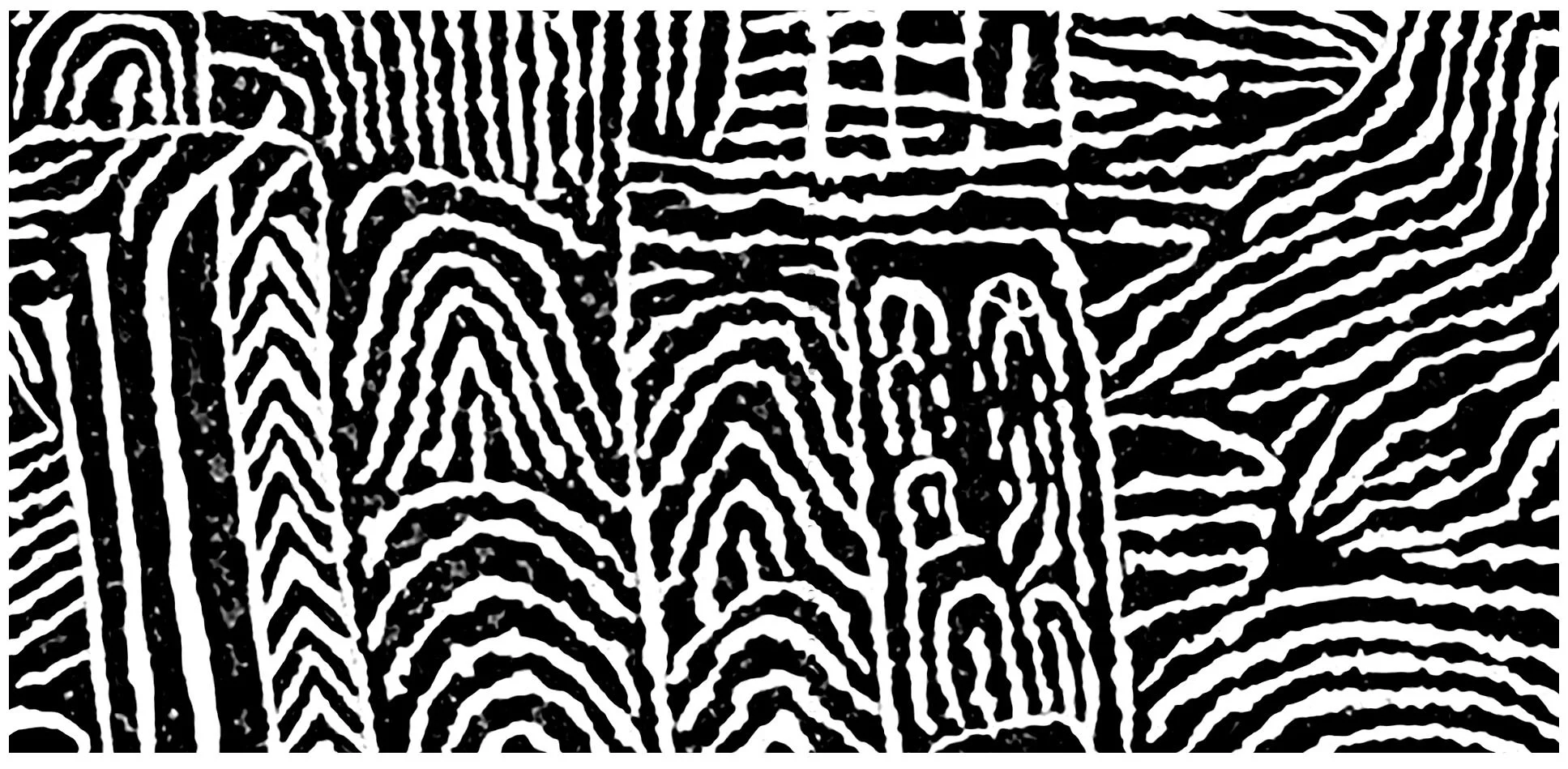
Gavrinis passage tomb, a Neolithic monument in Brittany, France.
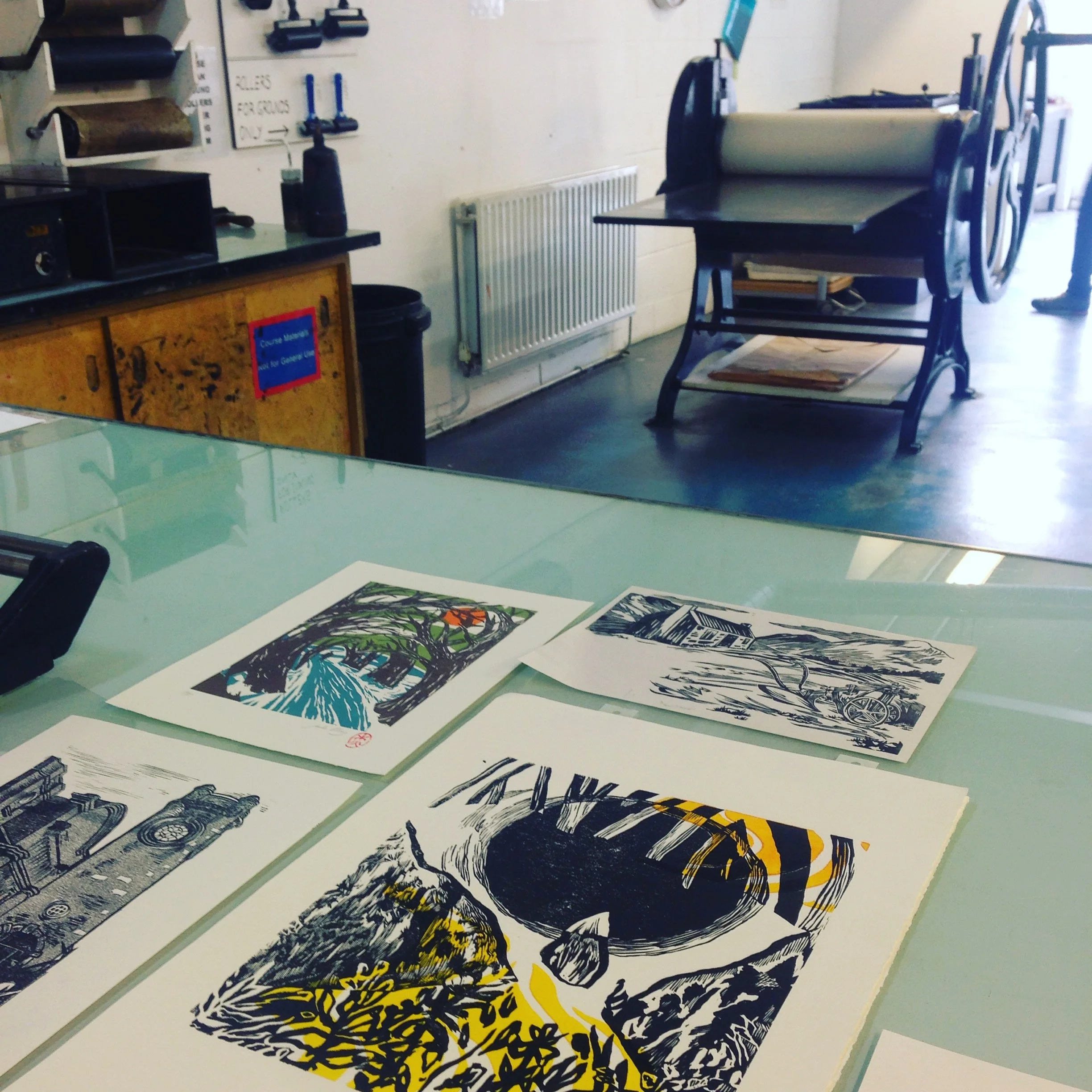
Final Major Project
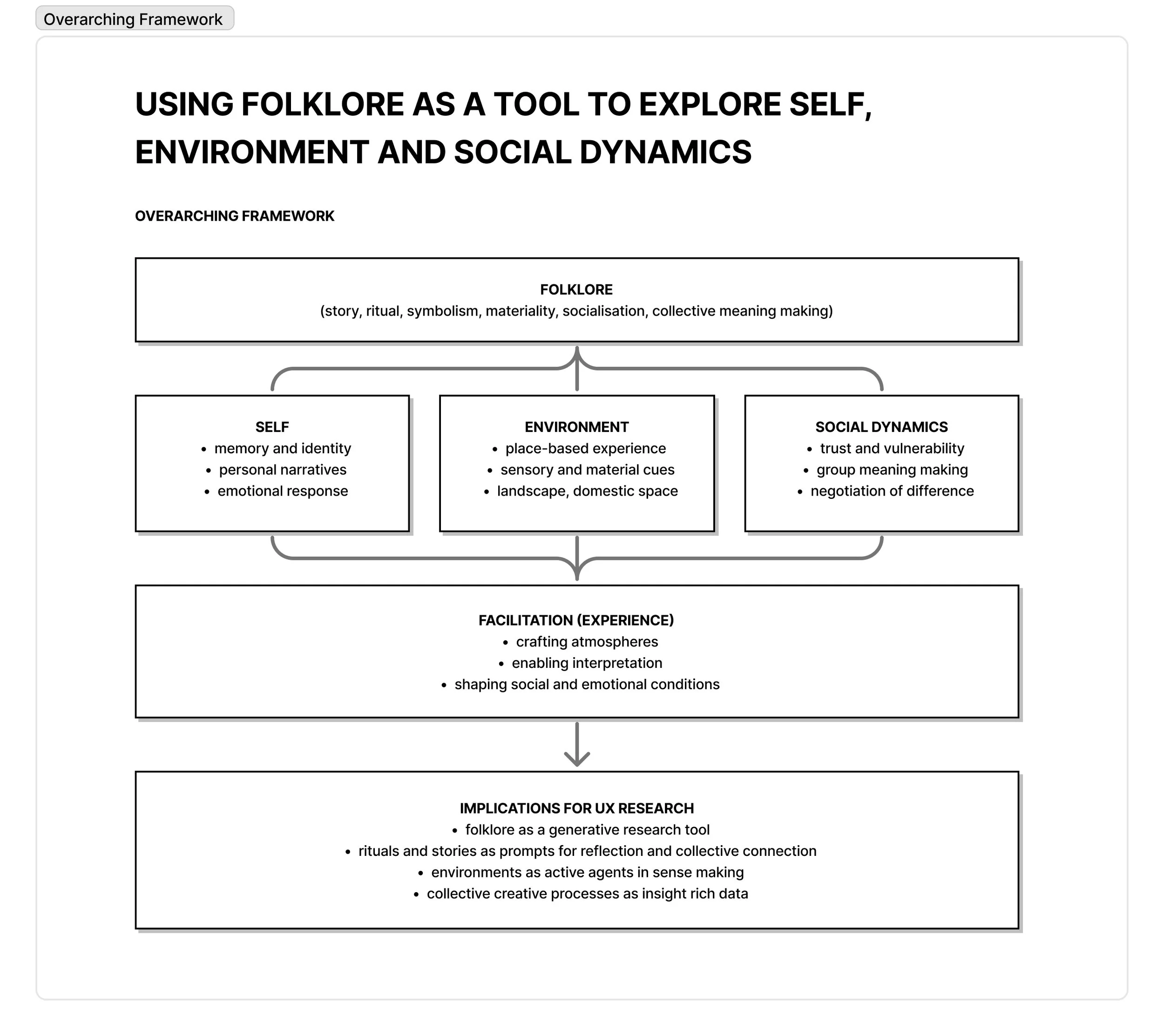
My proposed brief was to explore folklore, examining past culture to imagine the future. It aimed to celebrate culture, engage in alternative histories, and resist hegemony/gentrification/globalisation as a way of bridging communities.
Having grown up in a multiracial household in England and not knowing my father’s home language, I struggled to connect with my Chinese heritage. I began exploring folklore in my artistic practice as a means of gaining a deeper understanding of my ancestral roots. I discovered that certain folklore occurs commonly across the world. I was surprised by the very specific nature of some of these. For example, China and England explained the migration of geese and swallows by believing they become molluscs and crustaceans for half their life cycle. To me, this was not just about universal themes, but also surreal ways of seeing the world that defy modern common explanations. After learning about the structuralist theory, I found that Claude Levi-Strauss (19) proposed that this is due a universal similarity in the innate structure of the human mind; however, Franz Boas (1940) critiqued this, proposing that it was due to that ‘diffusion’ or travel; either way I still think it reveals that humans have a remarkably similar way of understanding the world that breaks down racial or cultural divides.
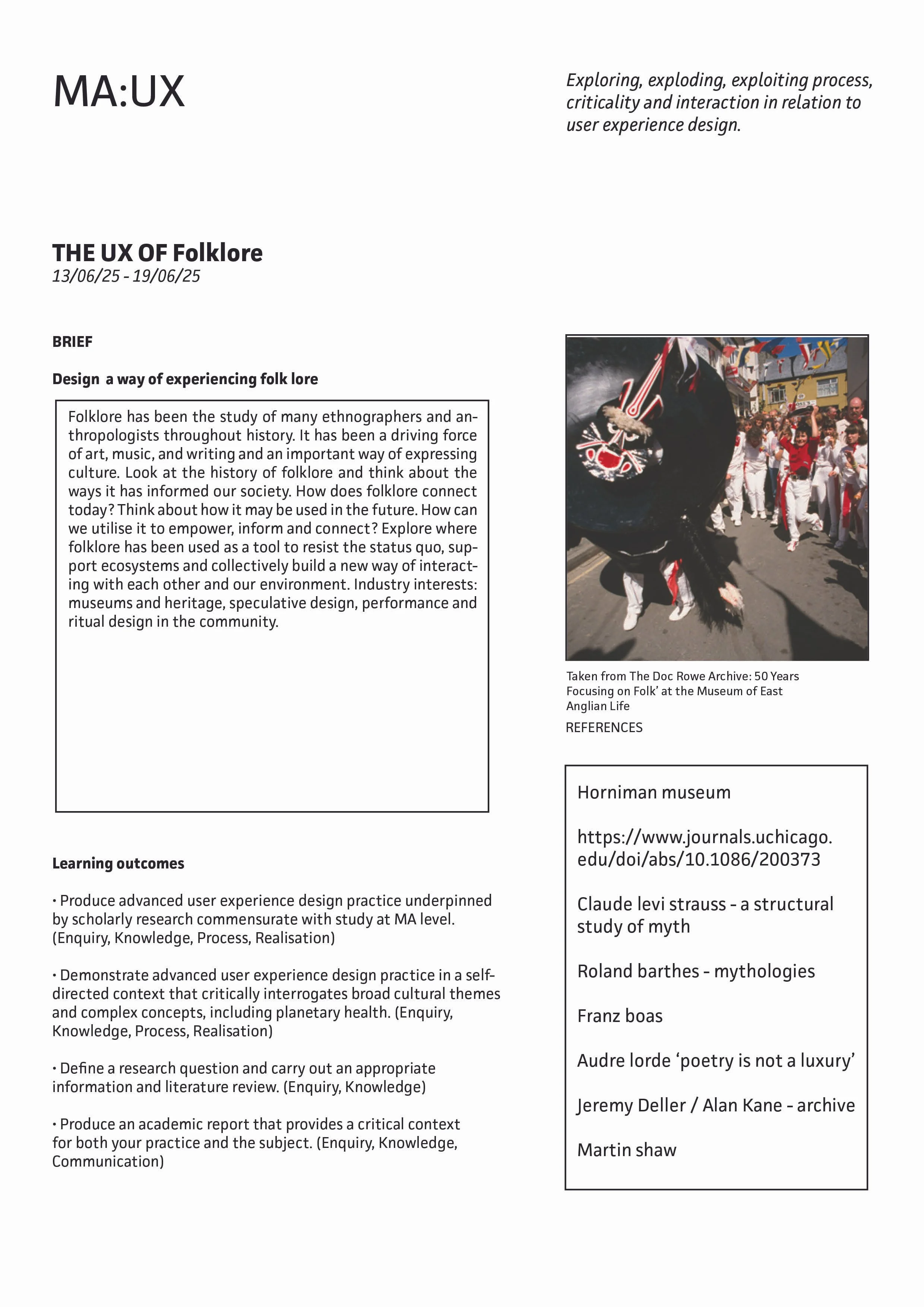
Folklore is widely understood as a means by which cultures have provided a space for social interaction, conservation, and celebration, as well as education on social norms/dynamics & dangers (Bascom, 1954). Boaz (1940) also thought that it was a ‘window into a culture’, and one of the best ways of understanding a society. It enables social cohesion and reinforces cultural identity and artistic expression. The examination and exploration of the world around us mediate life’s fundamental problems, such as death (Levi-Strauss, 1955). I examined numerous contemporary studies on its role in facilitating multicultural communities and how folklore celebrations can help bridge societal gaps (Boaz, 1940). (Bekmatov, 2024), (Bukenya, 2025), (Conti, 2025). With the rise of the far right and reform that seemed like a great way to tackle the issue across classes, and in a way that isn’t too confrontational.
After watching Adam Curtis’ ‘Hypernormalisation’(2016), I was struck by his interpretation that previous left-wing movements had a great deal of imagination and community in the pre-1970s, but they suffered from the same shrinkage from reality that politicians and many others faced when dealing with the complexity of political issues at that time. Economics, Capitalism and globalisation have distorted our worldview to such an extent that many have no way of connecting to reality. However, after reading Donna Haraway’s ‘Tentacular Thinking’(2019) as part of our theoretical framework, I was inspired to use mythology as a means of overcoming emotional despair, as she does.
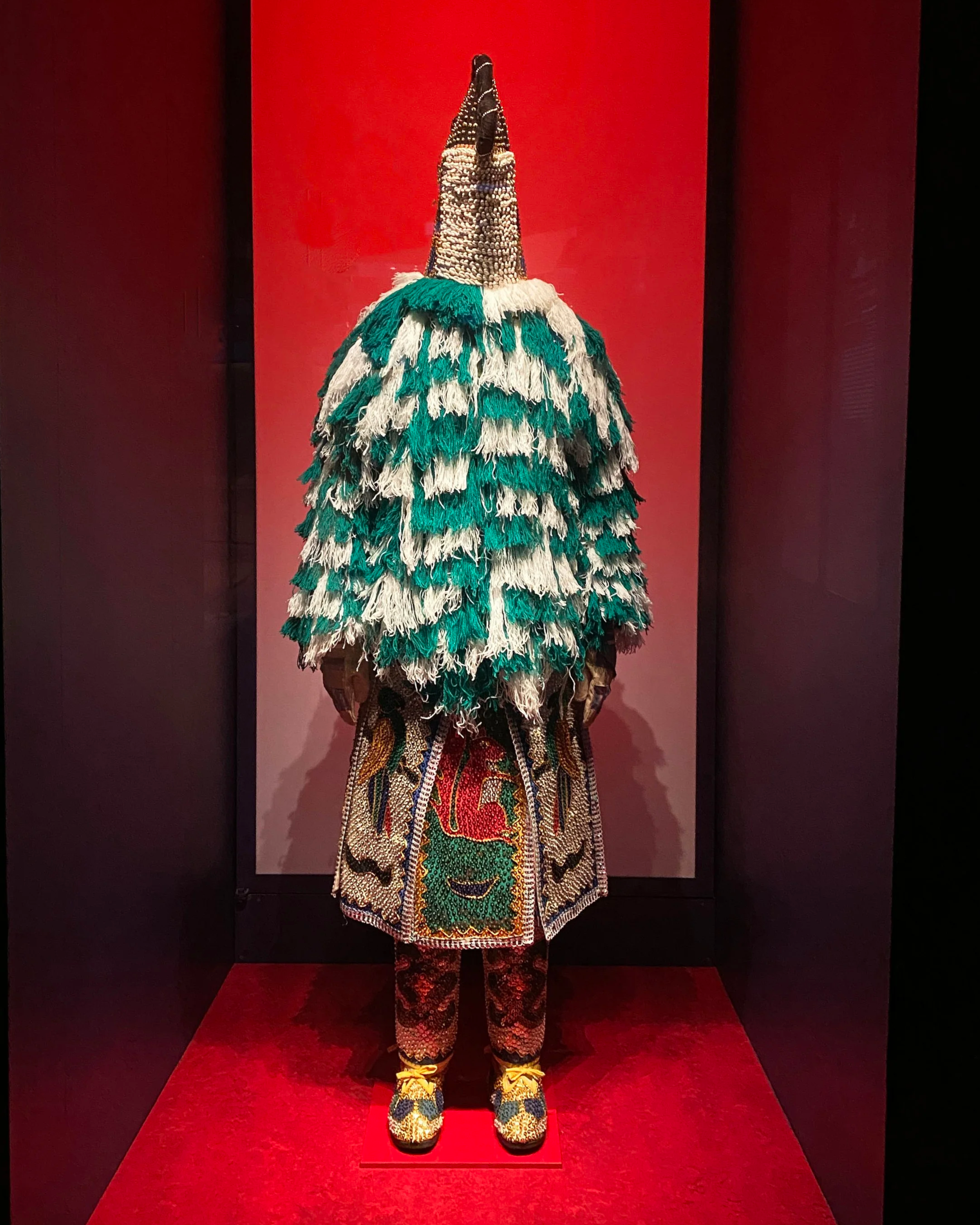
Photo of folk costume at Musée du Quai Branly
2
During many of my tutorials, I have been asked to define what folklore is. After researching various academic papers that examine this topic, I have been confronted with the conclusion that there is no agreed-upon academic definition. Ben-Amos (1971) wrote in ‘Towards a definition of Folklore in context’, “The difficulties experienced in defining folklore are genuine and real. They result from the nature of folklore itself and are rooted in the historical development of the concept. It is possible to distinguish three basic conceptions of the subject underlying many definitions; accordingly, folklore is one of these three: a body of knowledge, a mode of thought, or a kind of art.” He identifies that folklore should ‘pass through time at least partially via the channels of oral transmission,’ and should be created through ‘communal creation and recreation. ’ It makes sense that the ‘window into a culture’ be made by the group efforts of the whole community, not a sole individual, and in order to reinforce social bonds, be told by direct oral tradition. Both of these factors interest me about the subject and are what I want to centre my project around. My personal definition, drawn from various readings of this and others, is ‘an orally/visually communicated narrative that has been informed by collective creation, conveying an emotional experience of some kind of societal or moral learning.’
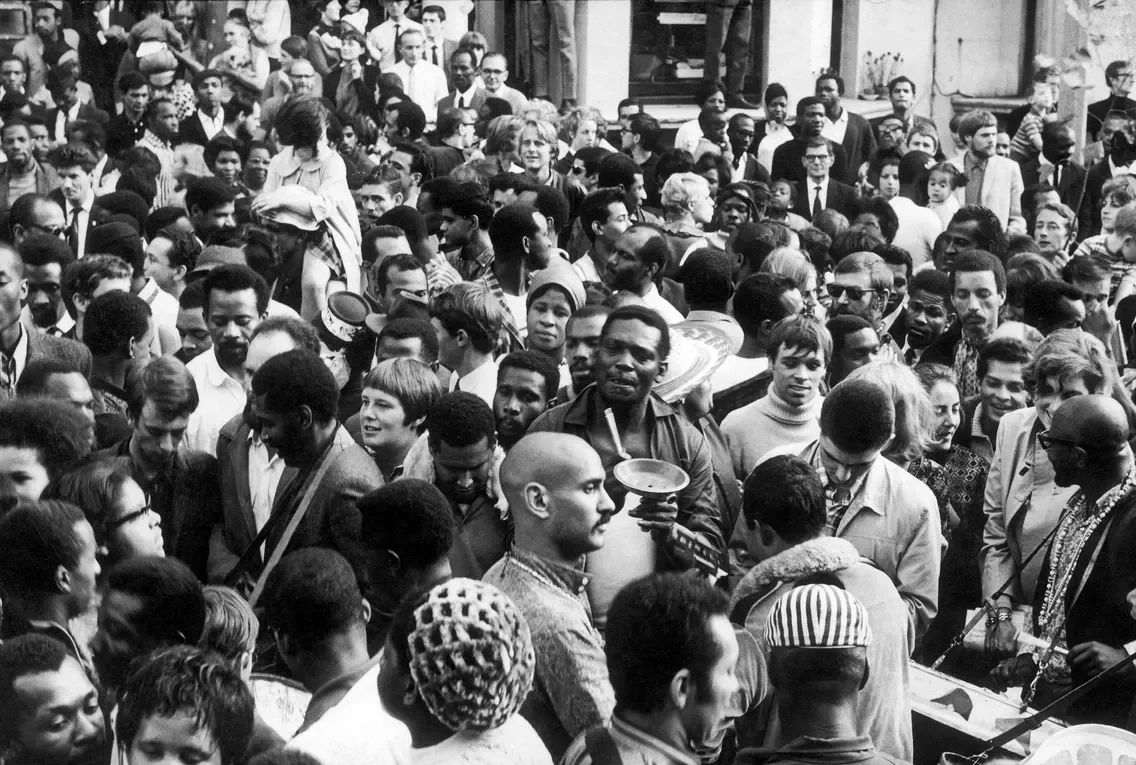
I attempted to locate case studies of individuals utilising folklore to create a third space for different cultures to exchange and celebrate. Notting Hill Carnival was a good example of cultural customs being used to fight racism in the area. Originally, in the 1950s, Notting Hill was a poor area. The Black community there was one of London’s largest, but they faced discrimination and abuse. In 1959, Kelso Cochrane was killed in a racist murder. On 30 January 1959, Claudia Jones, an activist and newspaper editor, organised the first Caribbean carnival. In 1966, Rhaune Laslett, a white social worker, arranged the street party we know today, wanting to bring together all communities.
I envisioned myself exploring different archives and museums, engaging in work that activates shared tales and customs through my own practice, creating workshops around the process, and providing tools for others to do the same. Referencing Paulo Freire (1968), the oppressed are immersed in a "culture of silence" imposed by the dominant culture. Their language, knowledge, and ways of being are marginalised. Liberation must "break the silence" and validate their own experience as a source of knowledge. I also read Jenny Odell’s ‘How to Do Nothing’ (2019), in which she proposed that true connection happens outside algorithmic feeds, which inspired me to have my outcome centred in an in-person experience. Feedback was positive, with tutors commenting on the legitimacy of the premise and the interesting aesthetic, and the presentation was clear. Practical research needs to be localised to one area of interest.
3
I began my practical research by conducting directed storytelling interviews with four participants. Directed storytelling is a research method that enables the researcher to gather rich, lived experiences by framing questions so that participants can engage with emotionally charged material within a narrative structure that distances the interviewee, much like folktales themselves. The prompts asked when they first experienced folklore, what they learnt from it, and if they had any knowledge of other cultures’ folklore, so that I could test whether the premise of my project was supported by their experiences. The participants were conveniently sampled from my close circle, which may imply a certain degree of similarity in worldview.
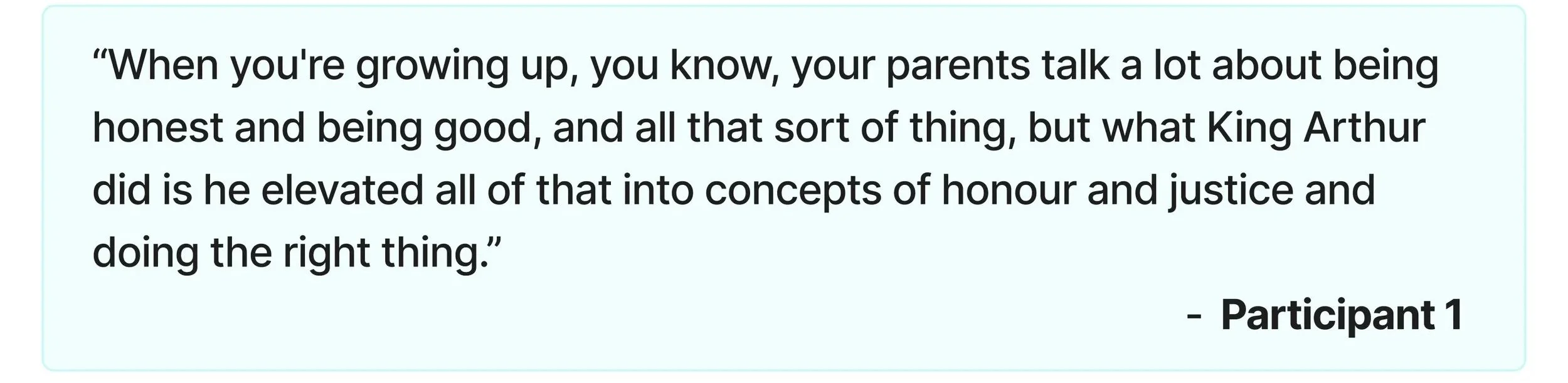
Participant 1: A 66-year-old English woman. The insights were that it makes life more magical, more connected to nature, and provides a code to live by. It grounds history in a more emotional experience, as it can connect to other cultures and reinforce community bonding. There are working songs that have helped people practically and provided a platform for alternative/working-class histories, specifically women’s labour. It also addresses life’s problems/disasters – warnings. This interview aligned with my initial premise and highlighted the emotional impact of these experiences on the participant, as well as how they enabled the participant to learn the lessons in a deeper and more meaningful way. It was interesting to learn about the working songs, where the beats of the song would motivate singers in strenuous manual labour and allow for the timed collective effort that things like sailing involved. I also thought the collective space, where people sing together, was very interesting, as mirroring/synchronising breathing has been proven to improve social bonding. However, this has largely been lost as people have little free time and cannot afford to be in pubs; as a result, third spaces where this happens are diminishing.
Participant 2: a Hungarian 52-year-old man. Insights from this interview were that he didn’t like folklore, and it had no relevance to his life. He felt as though he didn’t belong to any community culturally, where he had come from. He believed that folklore served as a means of imparting morals to children and reflected the harshness of life and the history of rural food scarcity. This interview taught me that there must be a significant number of people who haven’t had a positive experience with folklore. Many people have not grown up with it in their lives and cannot connect with it, as it feels irrelevant today. He had a very rigid outlook on what folklore was defined as and would not accept that it could be anything created after the invention of the written word. This highlighted to me how having a broader definition of folklife could allow people who hadn’t grown up with it to engage, but also that this would be a very hard definition to communicate to participants, as they may not agree. This participant did not believe in the imaginative power of folklore and saw no purpose for it in modern life, despite having a strong appreciation for culture in all other respects.
4
Participant 3: 68-year-old Chinese man. Folklore changed his perspective on animals. Coming from a low-income Asian background, animal rights were not seen as a priority but rather as an important source of nutrition. These stories are able to bring the emotional impact of a non-human perspective without judgment on other cultures/people. When confronted by people from other cultures with different perspectives, individuals often feel defensive, as their beliefs often arise from a cultural need not understood by the other. When discussing the folklore from his own culture, it was interesting to see that many of the stories centred around emotion, collective action and self-control in behaviour in relation to wider society, as is the foundation of the language itself. He believed that these stories plant a seed to grow a non-selfish mindset and moral code. He believes that life is incredibly hard and that everyone suffers greatly. A strong moral code instilled in you when you’re young is the only way in which people are able to choose to behave less selfishly.
Participant 4: English, 37-year-old man. Insights in this interview were that what made folklore interesting was the contrast between the mundane and the mysterious. It generally relates to the landscape around you and contrasts the everyday with a magical or unseen world, often designed to evoke a sense of respect for nature. Folk stories that dealt with human relationships often tended to be sad ones, potentially exploring methods for coping with difficult situations or serving as cautionary tales. He believed folklore seemed to be less present in culture because work takes up more of our time compared to the past. Religion has also been effectively replaced as the cultural touchstone, as well as locality being the determinant for a community, with the advent of the internet. This situation has created a vacuum ripe for what he called ‘anti-folklore’ to replace it, e.g. money or conspiracy theories.
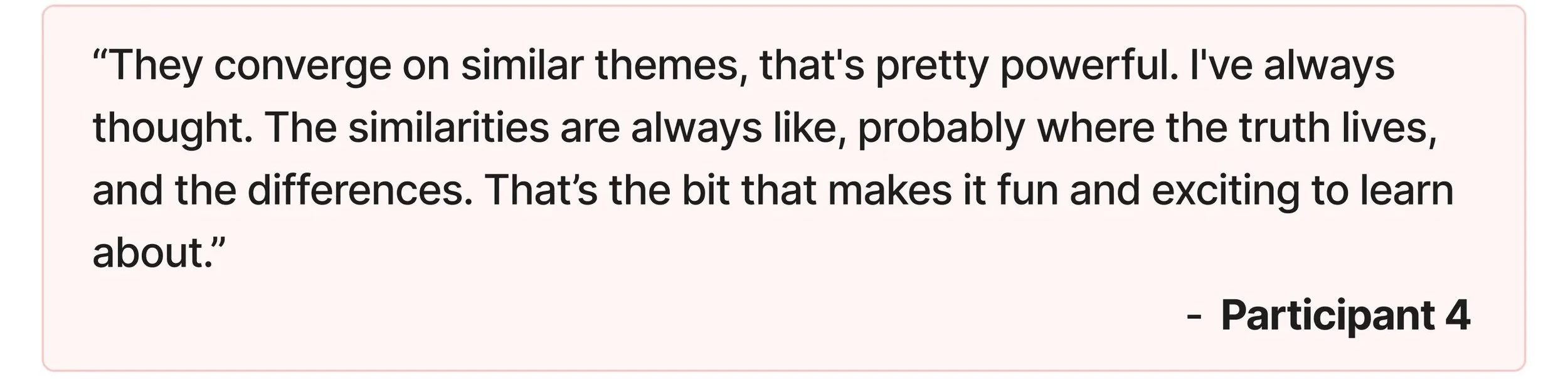
When asked whether learning about other cultures’ folklore made him feel more connected to the people, he said yes. He had been introduced to Japanese ‘Shinto’ he thought was quite similar to paganism
5
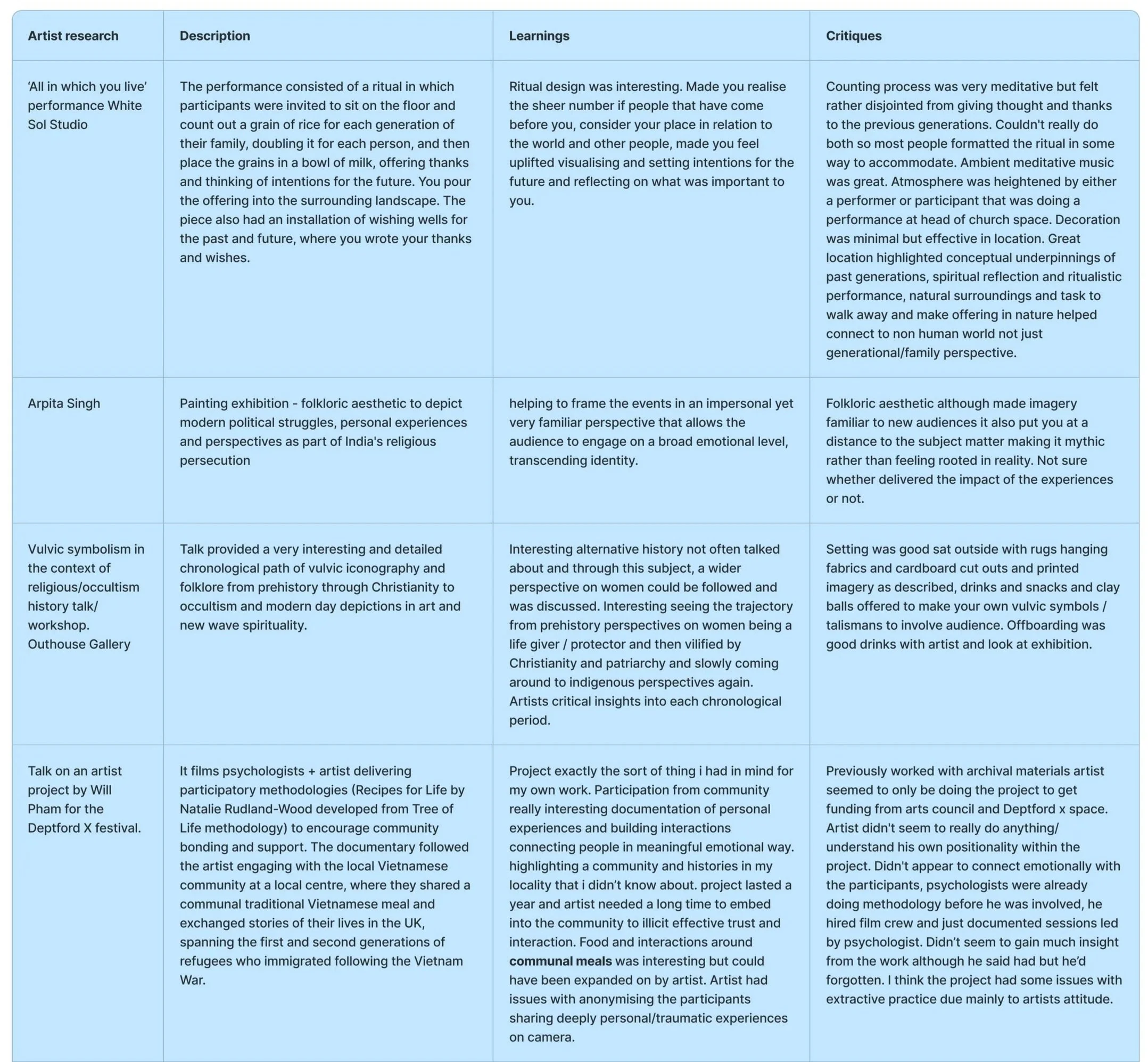
Figure 1
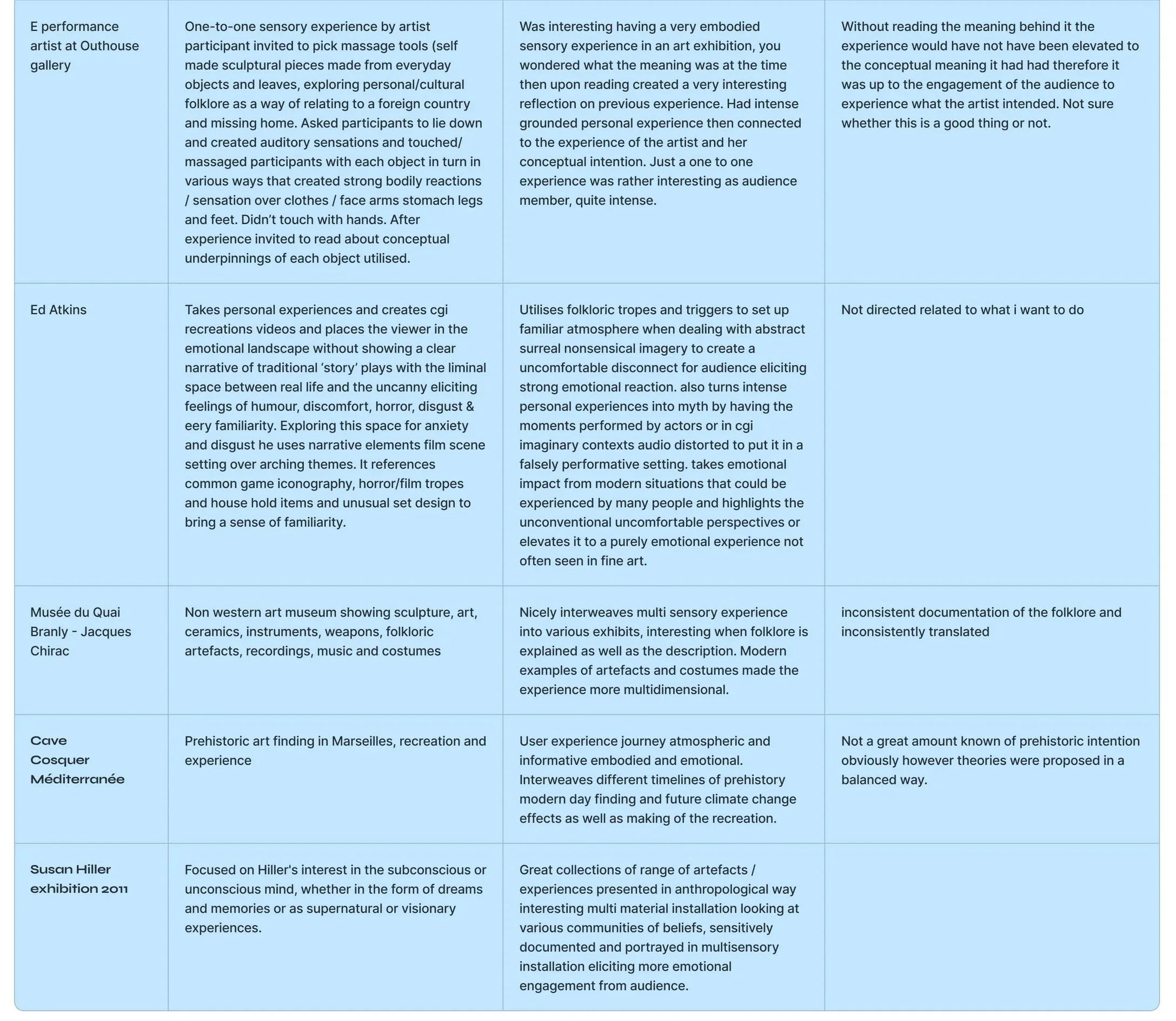
Figure 2
As part of my artist research, I saw a range of art exhibitions that involved folkloric elements in various ways. (see Figures 1&2)
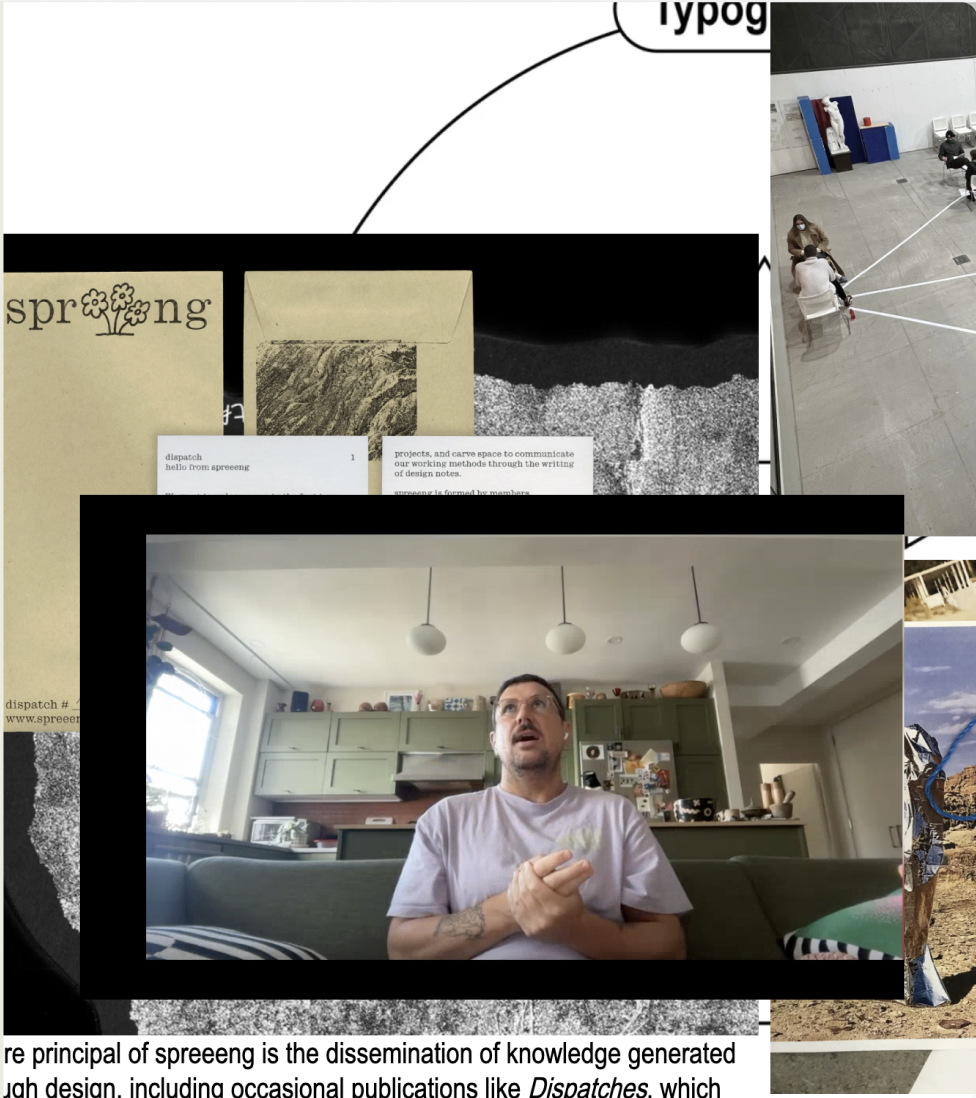
John Phillip Sage 2025
I also came across the work of John Phillip Sage, an international graphic designer based in New York, co-head of the design company ‘Spreeeng,’ with a background in fashion and performance. He had undertaken a range of participatory arts and graphics projects with community groups, exploring various elements of folklore and creating new rituals, performances, and workshops. He agreed to do a Zoom interview. He provided me with some interesting insights into his process, methodologies, the projects mentioned above, and the considerations he takes when working with communities.
I also interviewed Kwong Lee, coordinator from Deptford X & Elaine, events coordinator of Deptford Lounge, a community arts space. We discussed personal backgrounds, artist commissioning, the challenges of community building through the arts due to funding constraints, the potential positives/negatives of working with local communities, collaborative approaches, and industry outcomes. I also contacted various venues in the local area where I thought my work could partner, including SET Studio, Matchstick Piehouse Co-Op, Lewisham Commons, F.A.T. Studio, Avalon Café, and Pelican House. They either didn’t reply or charged hundreds of pounds to rent out the space.
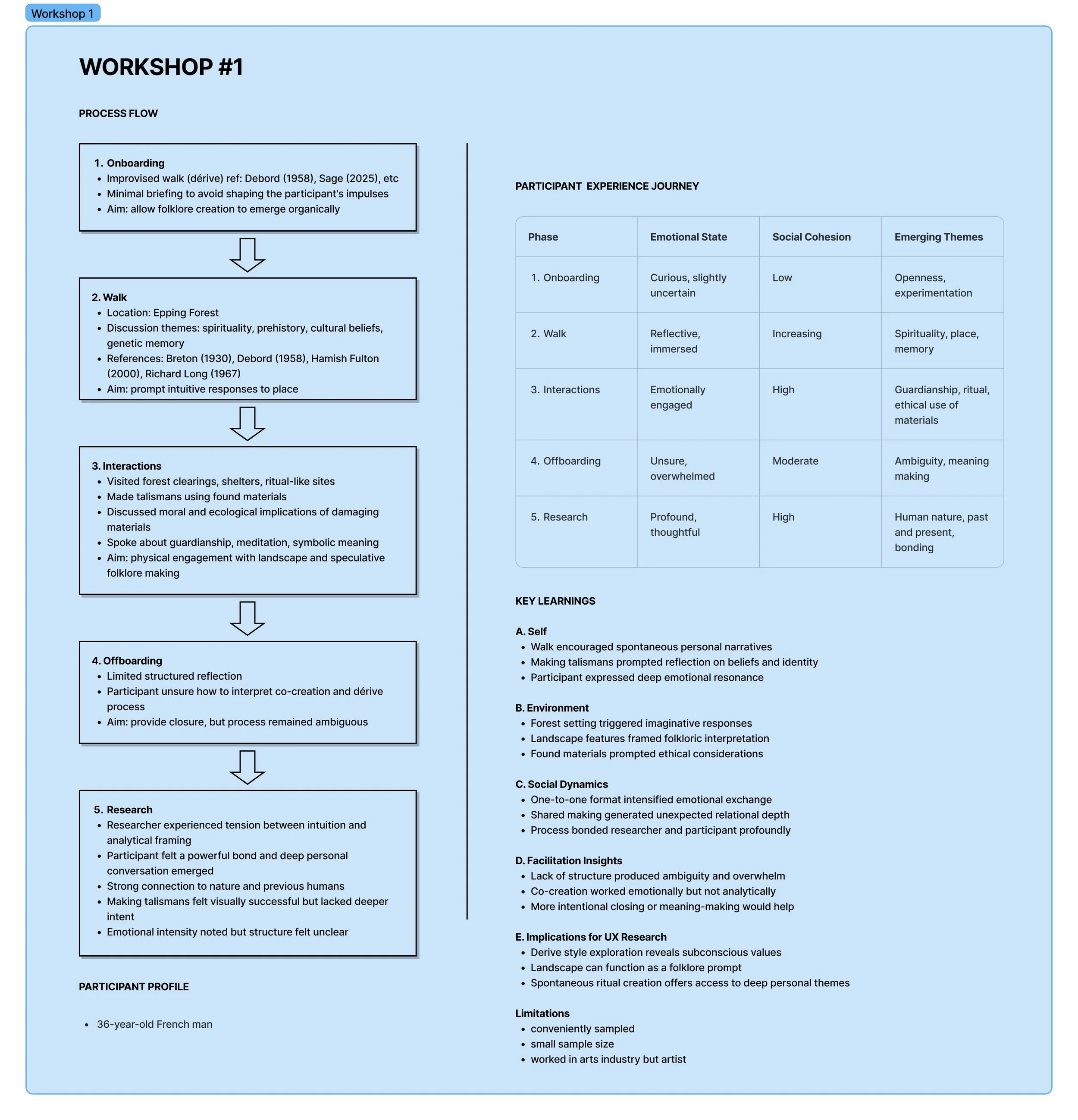
Figure 3 : Workshop 1 - the Dérive
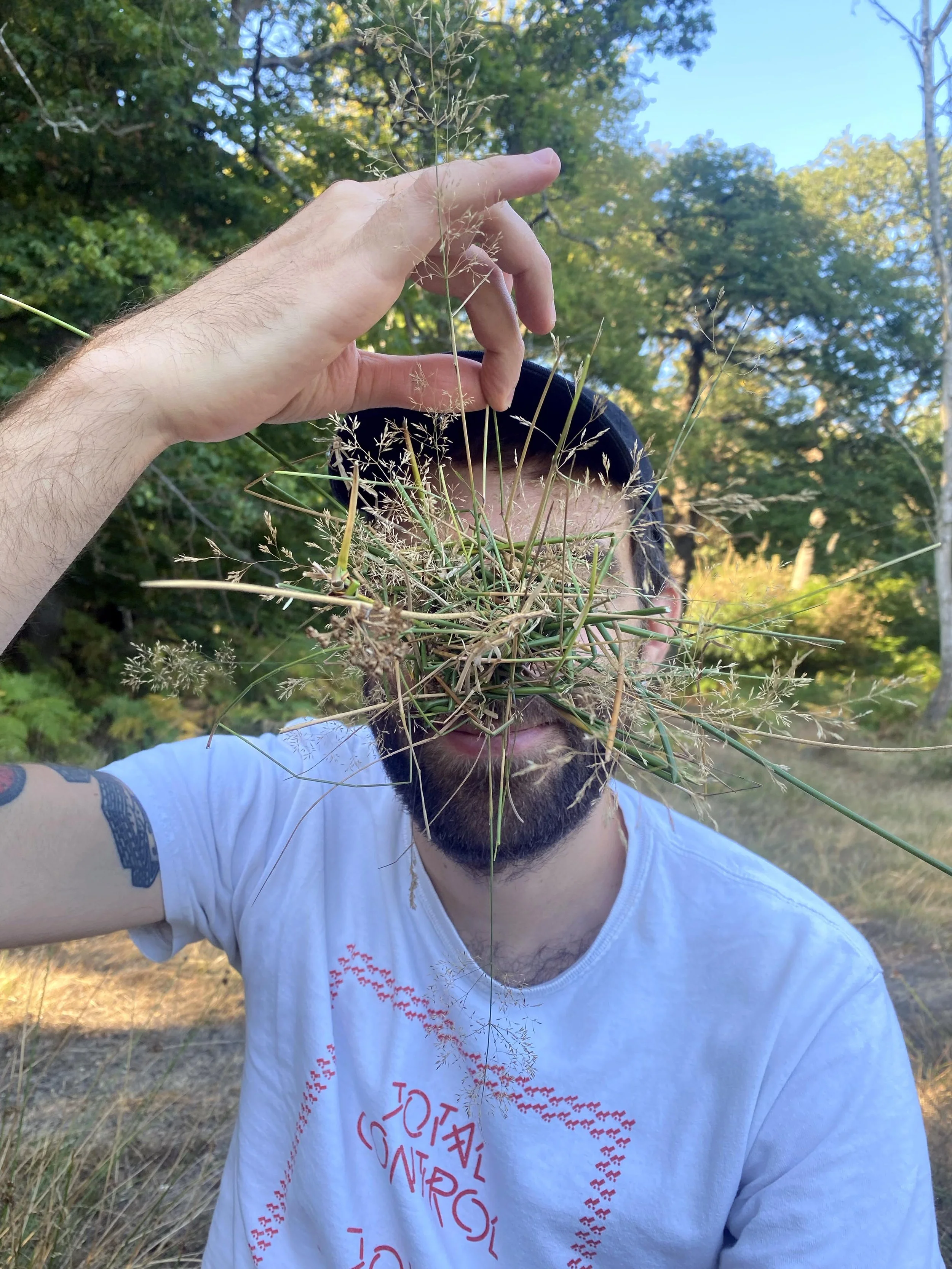
Making alter pieces
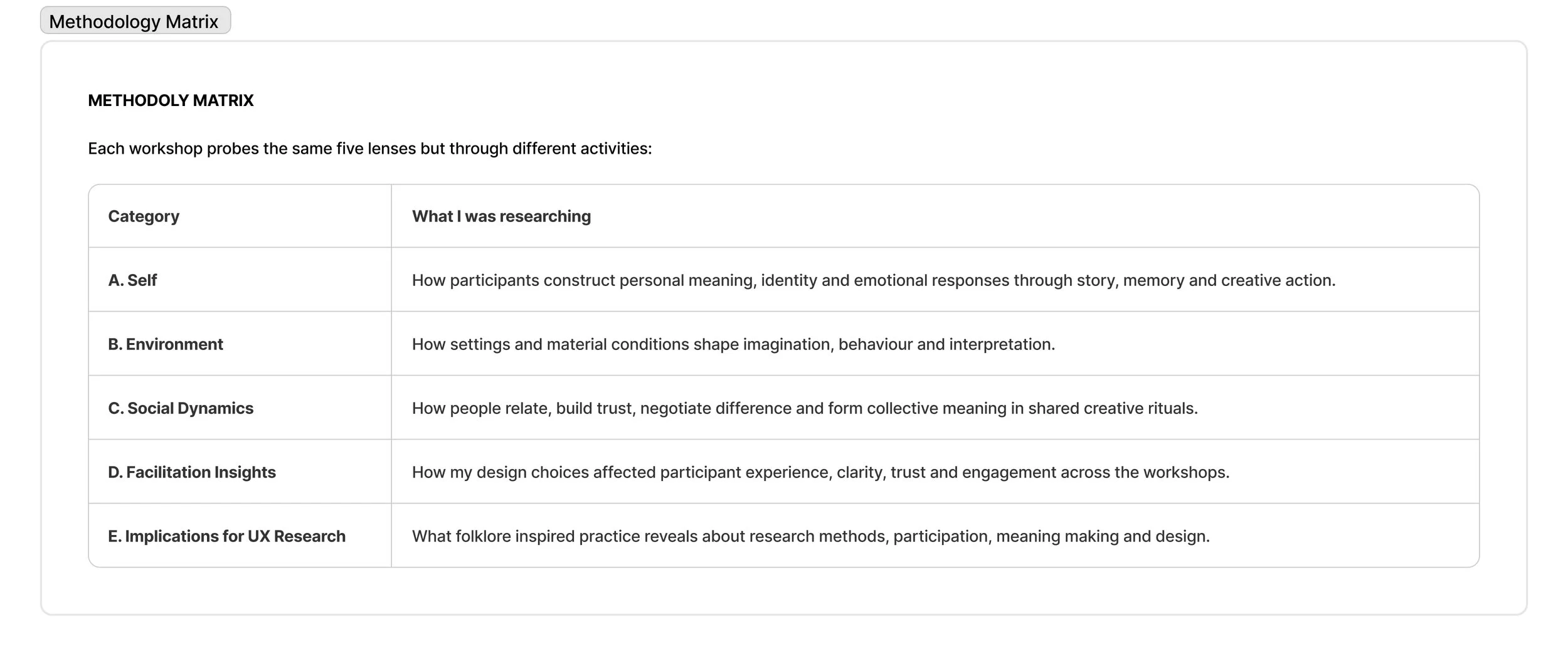
After collating all this varied research, I was rather overwhelmed with the range of approaches I could pursue. As a result, I co-created a dérive, as described by Debord (1958), as an experiment. The experience started rather meandering and disconnected, as it was intentionally unplanned. A personal connection to time emerged through witnessing previous human intervention and theorising around purpose. The connection to the community, as well as the participant, was accentuated by commonalities in their ways of thinking. Creating the talismans felt a little forced, as the found materials were not ideal, and they did not embody any ideological significance. The outcome for the participant was difficult to measure, as offboarding needed improvement; however, he did say that the experience created a strong bond.
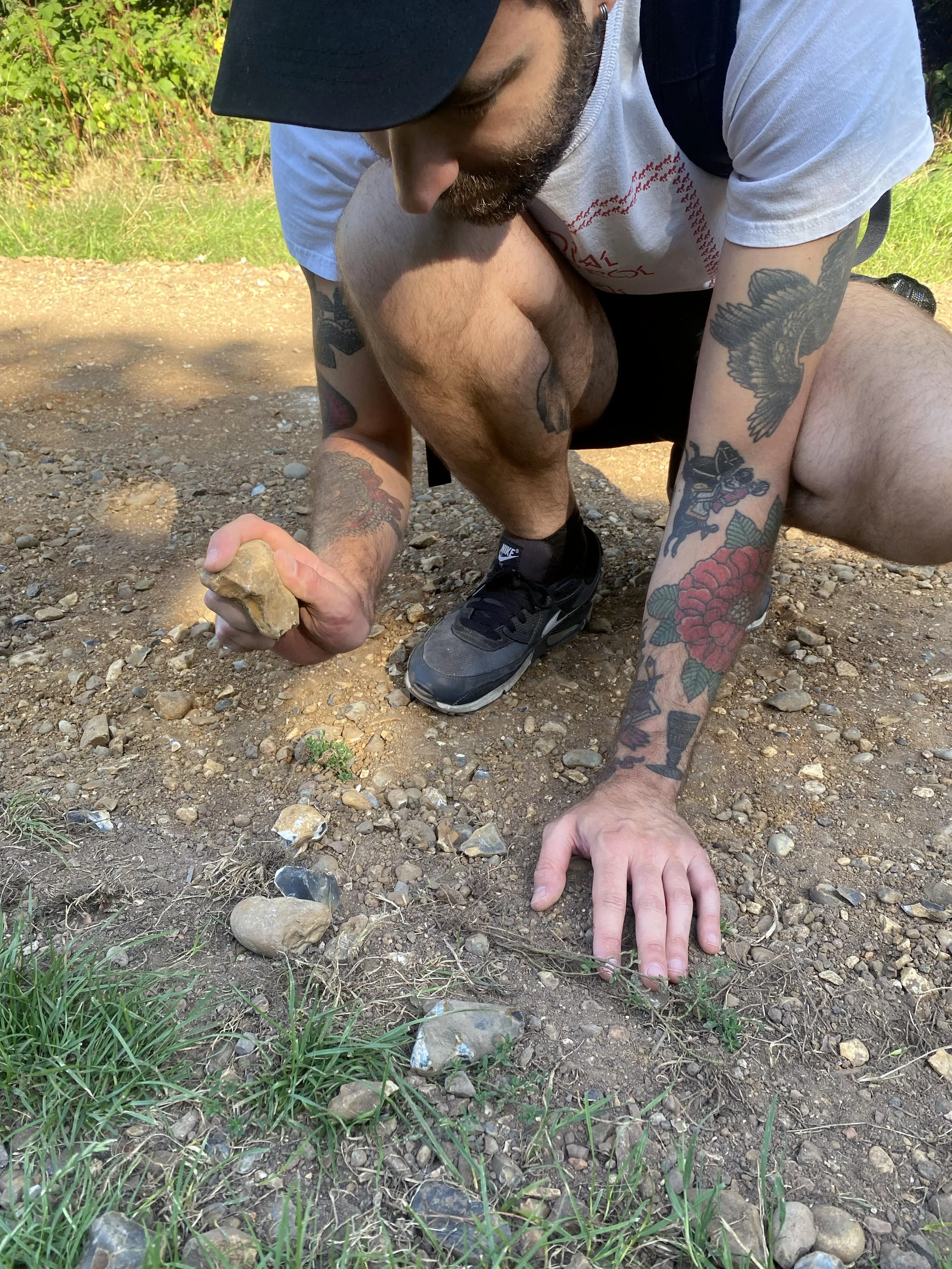
Flint Knapping
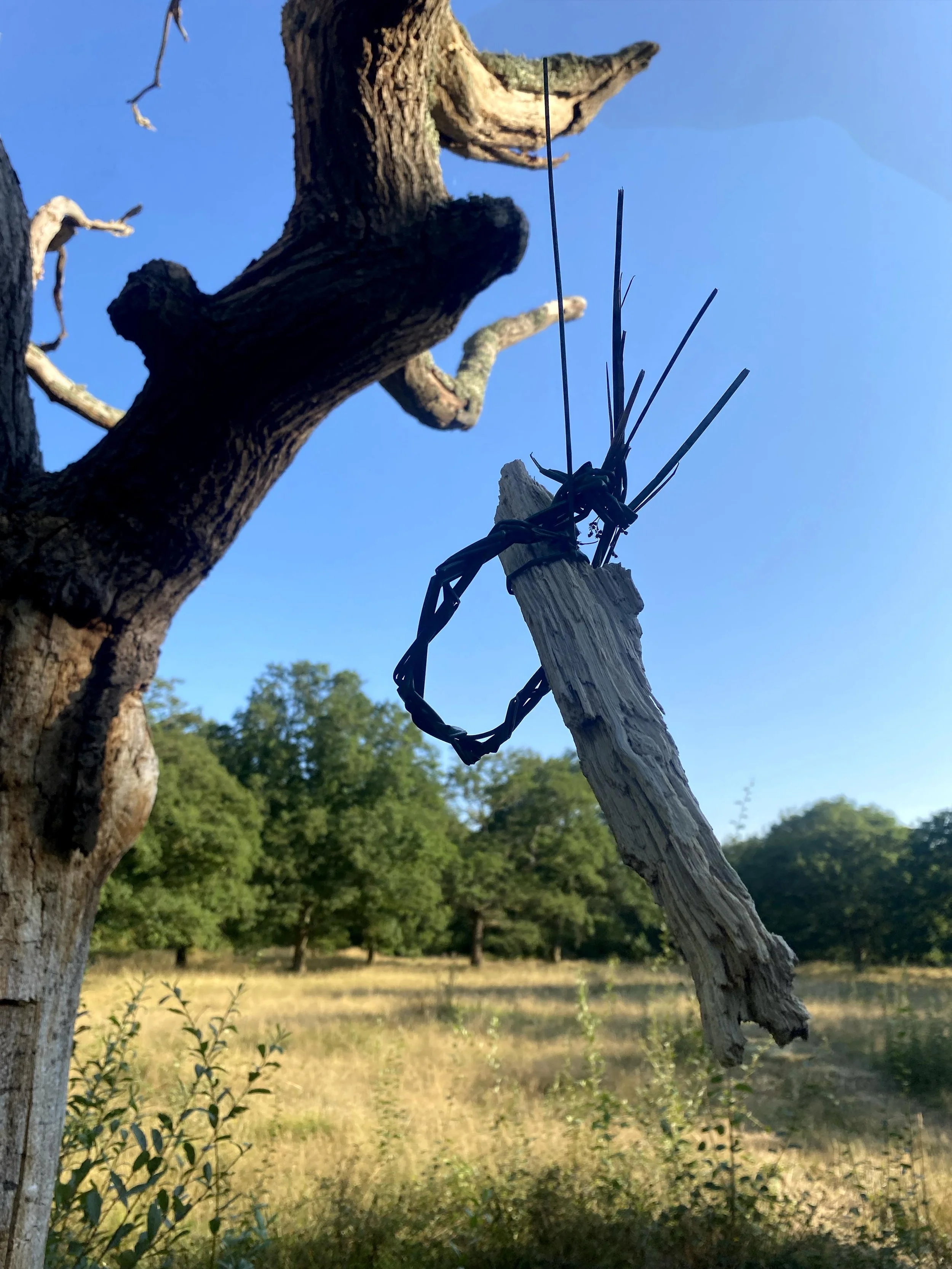
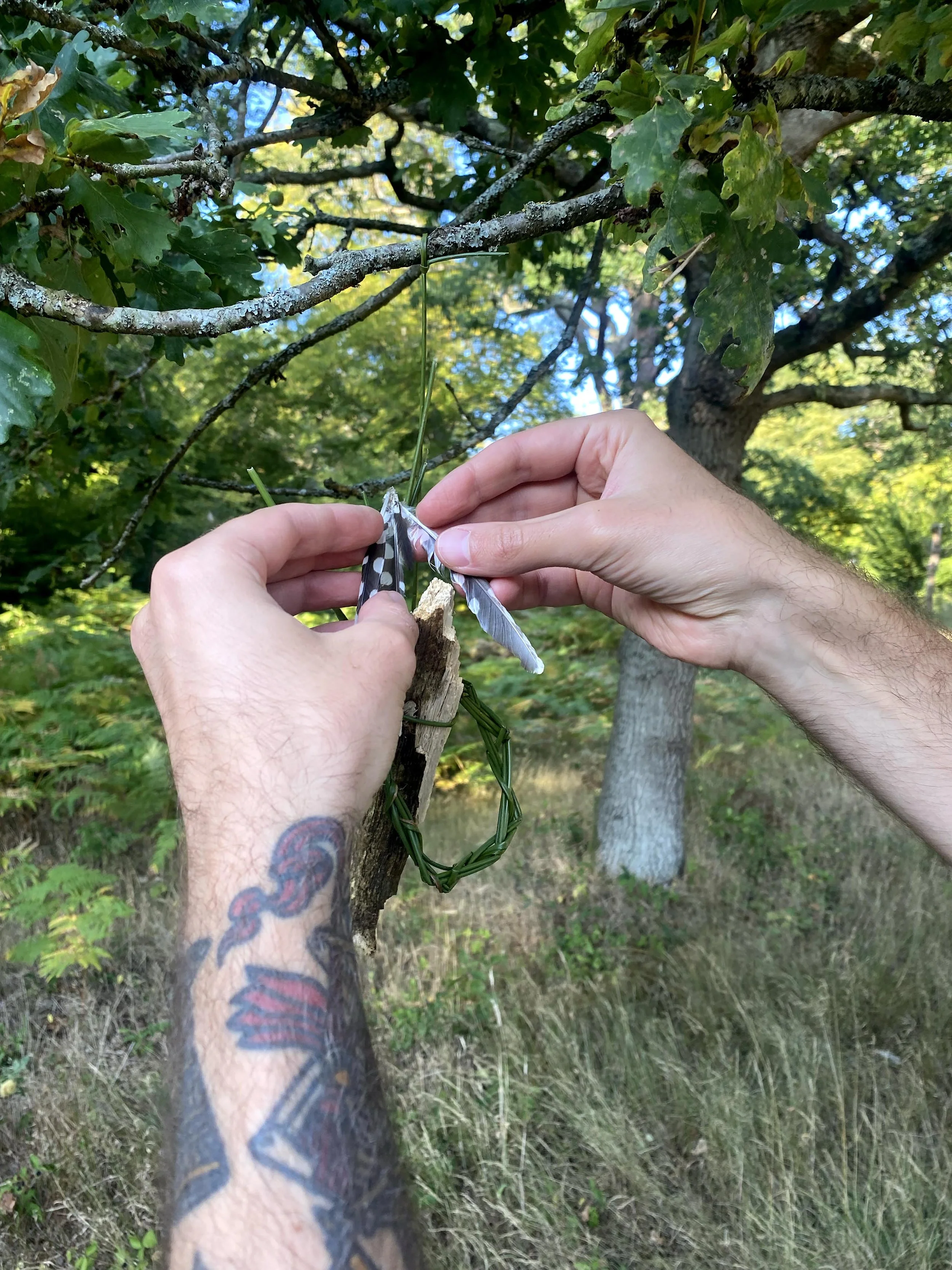
Leaving them to hang in the envirp
6
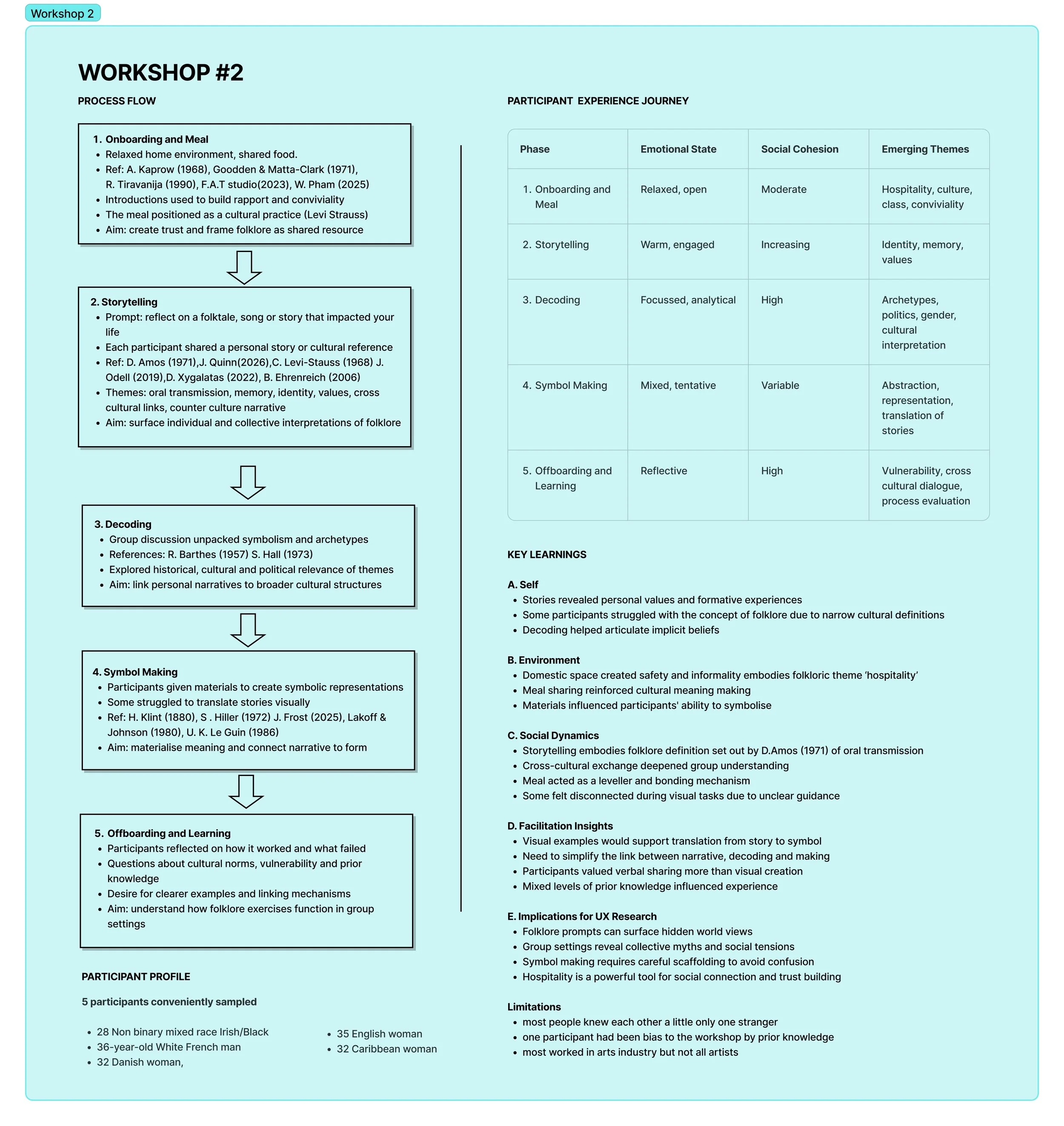
Figure 4 : Workshop 2 - Storytelling / Visual symbols
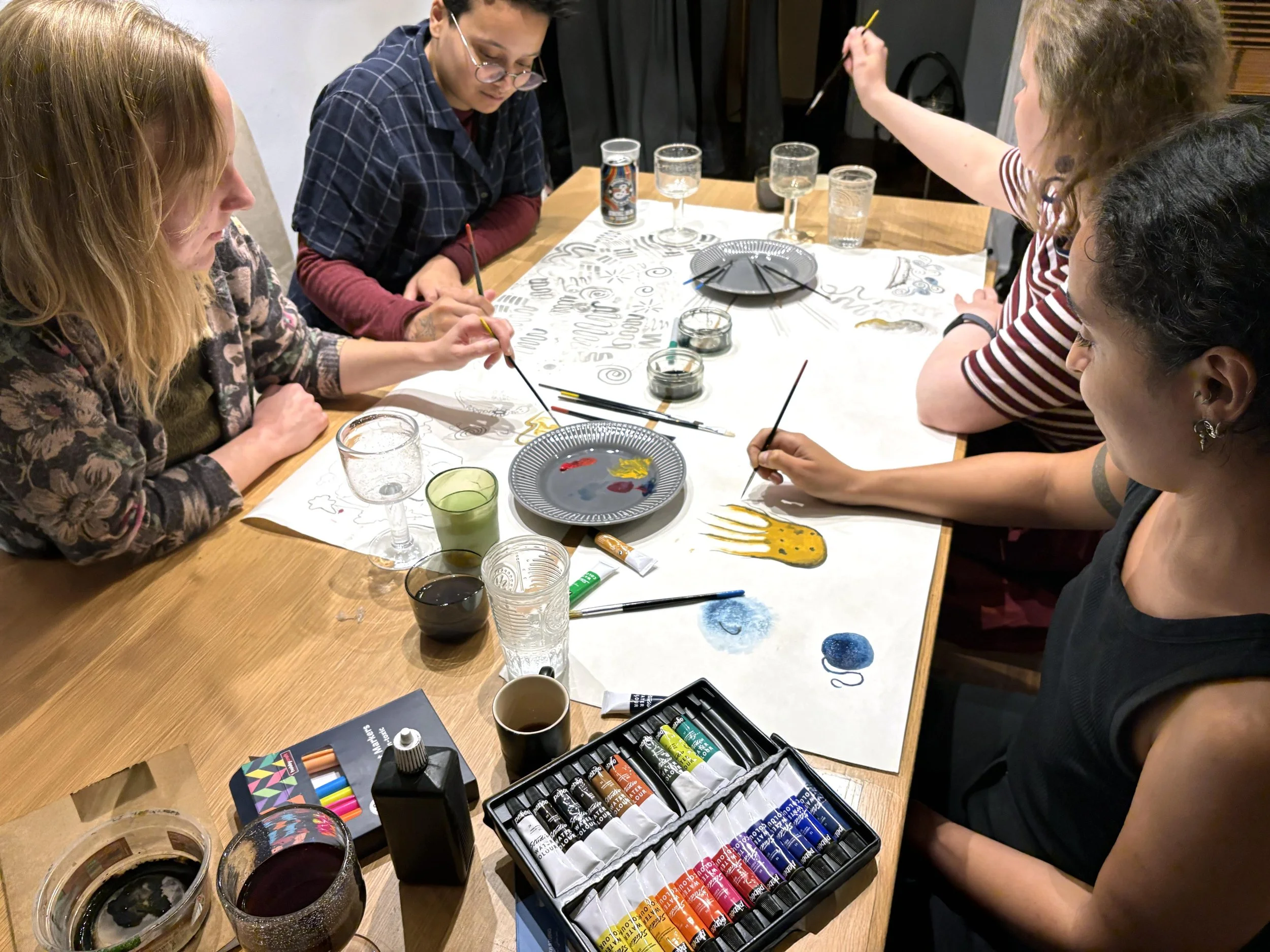
This led me to run a more structured workshop that involved a larger number of participants (see Figure 4). I introduced the idea of a shared meal to onboard the participants, as I knew the project might be difficult to explain, which allowed for collective discussion and negotiation of definition (Lorde, 1979). The meal also aligned with the common theme in folklore of providing hospitality to travellers or mutual aid to the community; survival often depended on sharing community resources. Mutual aid also has a significant history in class struggle movements, as well as in the themes of conviviality explored through fine art performance in the genre of ‘relational aesthetics’ (Bourriaud, 1998). I formalised the storytelling aspect to align more fully with the definition of folklore (Ben-Amos, 1971).
Themes and decoding flowed well; the subjects being discussed were rich in personal/cross-cultural/historical meaning. Even when participants are unsure of the personal meaning, group discussion on what it evokes historically and culturally helped them connect with their personal opinions on the symbolic meaning. Collective influence was evident when people's conversations were inspired by others’ input, and understanding was fostered through these interactions. Participants were surprised at how well they could decode the stories and the personal meaning behind their impact on their lives. One of the participants who joined late disrupted the flow, hindering the person’s ability to connect effectively with the subject matter in the same way as the others. The flow was also blocked by the transition from verbal to visual symbolism, which attempted to visualise the themes and connect to the present issues the participants face, but without providing examples. They didn’t really understand how to relate the two. I thought that a collective poem might work better next time than the visual media offered. It was challenging to transition the issues of the past into the present and future situation that the participants face, as I had no methods to share on how to do so.
7
At university, I presented my work and proposed additional iterations of the in-person experience, creating an installation that featured the collective creations made in the workshops, along with an audio bank of their stories. Referencing Susan Hiller’s work, particularly ‘Witness’ (2000). This would allow viewers to explore the stories presented in the workshops in a multisensory way, as well as potentially record their own to add to the collection. This would be mirrored by a digital archive, allowing outreach to extend globally and become a multimedia archive.
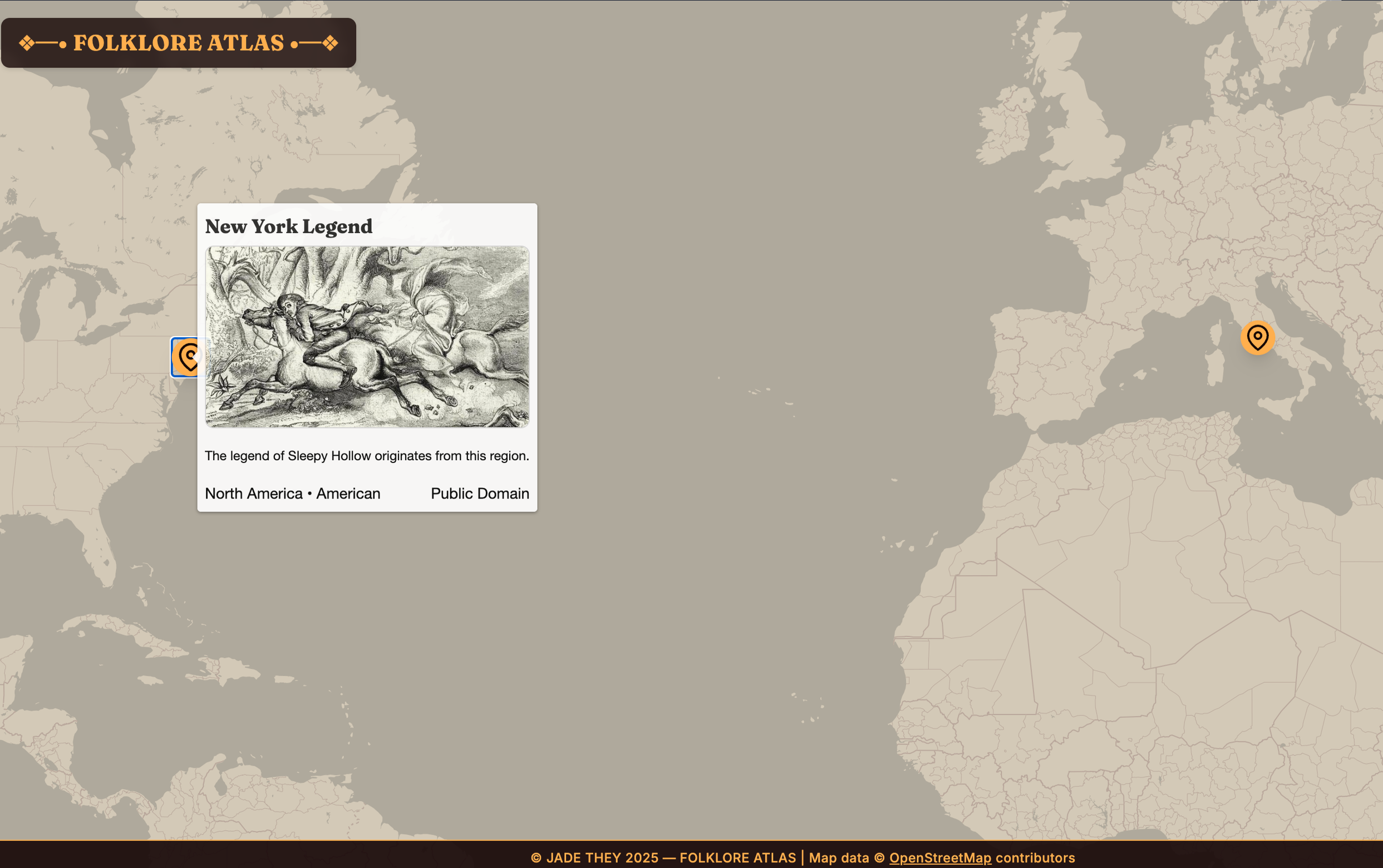
Through my research, I learned that, following the documentation and recording efforts of Cecil Sharpe, Hamish Henderson, and Béla Viktor János Bartók, there was a significant resurgence in interest and engagement with folk afterwards, with major movements in culture. I also read a few papers on how internet archives help preserve and encourage authentic engagement with folk. In addition to preservation and distribution through the internet (Conti, 2025). However, after looking at the internet archives available through the Folklore Society and the Don Rowe archives, the website’s usability was found to be minimal, outdated, uninformative, and disengaging. I aimed to create a more visually engaging experience that also fostered community engagement. A digital map that could allow users to discover folklore from all over the world, as well as in their own community, by uploading their own content, as well as promoting skill sharing and community outreach through social networks if users wish. I co-created this webpage with a friend to show my idea. Feedback, however, was cynical about the idea of creating a digital archive, with tutors not seeing the originality in it or the connection to the workshops; they wanted to see more design in the workshop format, so I decided to concentrate on reiterating the workflow to include more collaborative creation and hopefully more connection to the future projection.
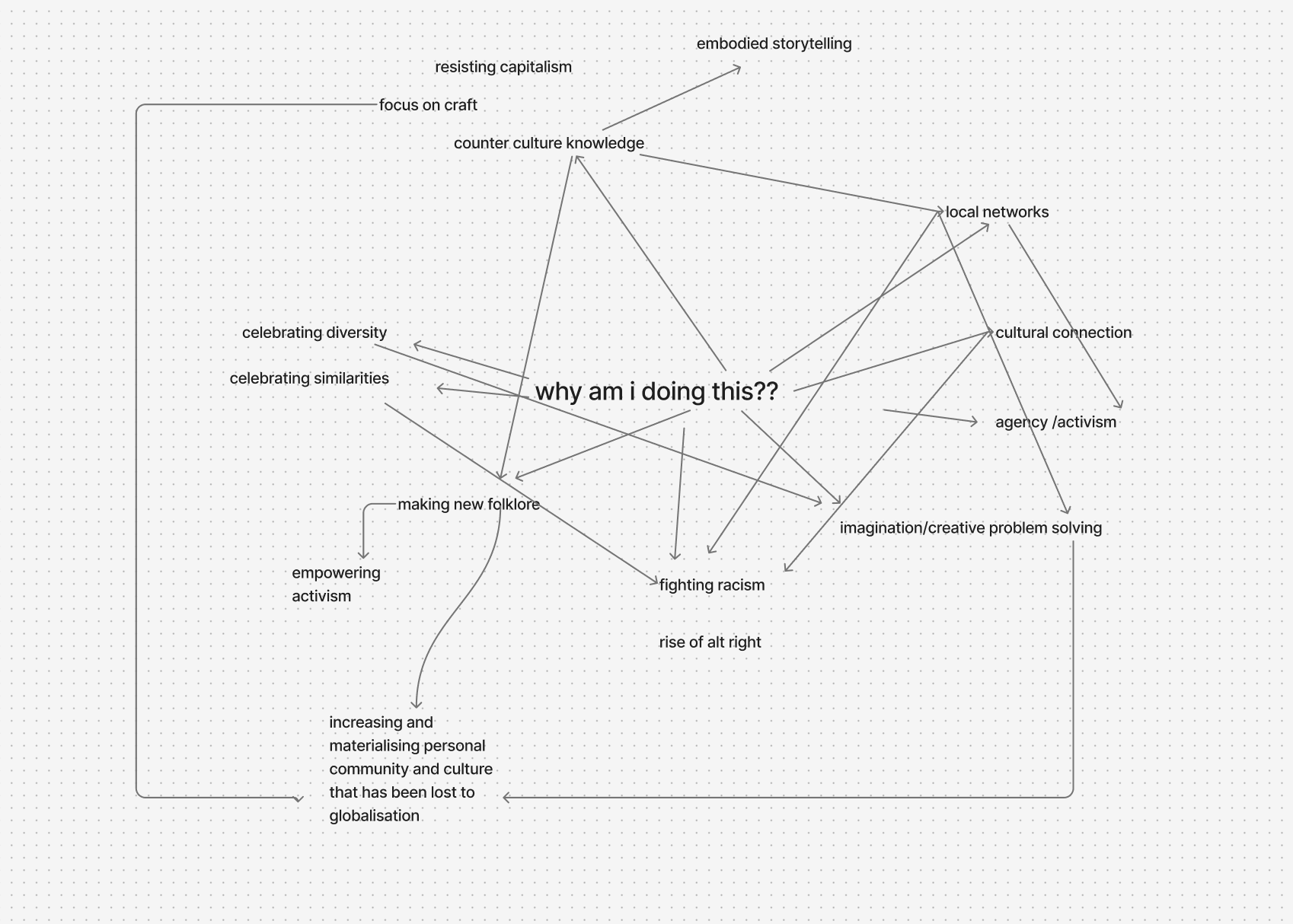
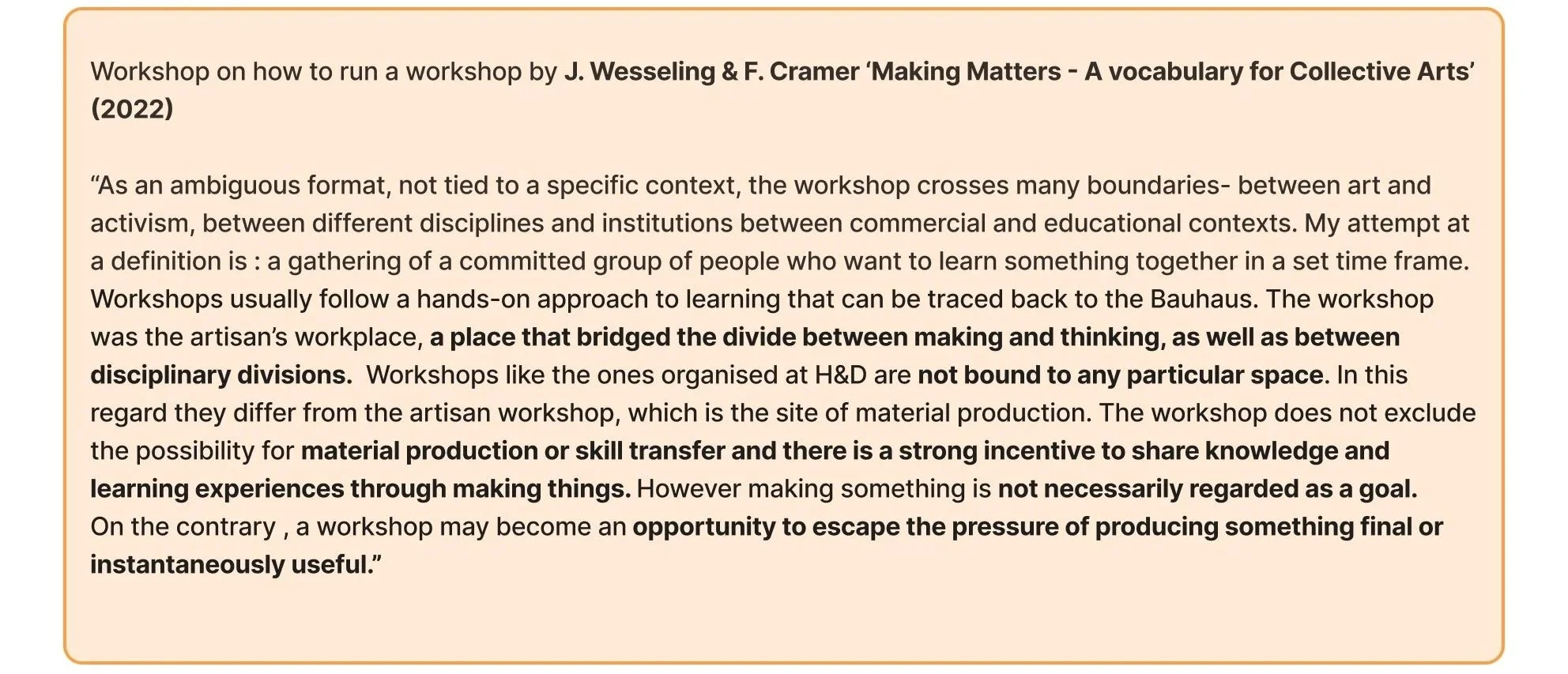
Figure 5
While planning for the next iteration, feedback from the tutors left me somewhat confused. The outcome was a large point of contention, as more traditional UX design tutors wanted a more fixed trajectory in which to assess the success of the workshops. I was reluctant to restrict the process; however, many of the interests I had in the experience were relational and difficult to quantify. Additionally, one of the primary methodologies I had in mind was co-creation, which, in my opinion, contradicts the idea of a specific research question (Deleuze & Guattari, 1980), as participants were to have as much creative power as I did and collectively steer the experience, in reference to Ben-Amos (1971). Alaistair Steele, however, suggested that the outcome may become evident through the making process. I examined how process-led artist research can be observed in participatory arts, dating back to the works of André Breton (1930) and Debord (1958). And later the work of A. Kaprow (1966). J. Wesseling & F. Cramer (2022) write in ‘Making Matters’: “Like art practices, each artistic research project is idiosyncratic by nature, determined by the desire of the researcher to reflect on their practice in collaboration with others.” They also reflect on the definition of a ‘workshop’ in Figure 5, which I found useful in interpreting my workshops/experiences in terms of a “learning experience through making things. However… not necessarily regarded as the goal”.
8
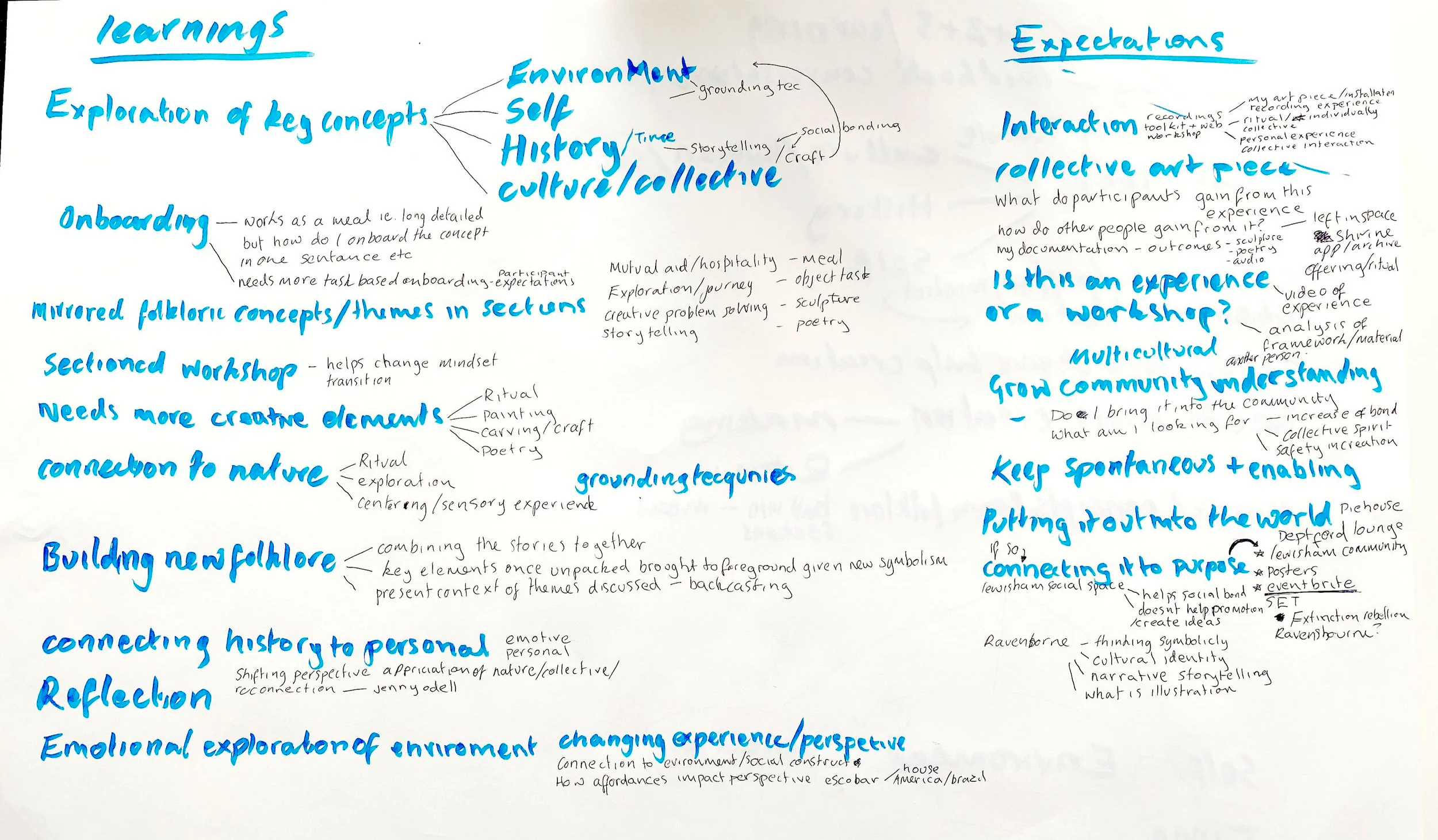
Figure 6 - Learnings/expectations
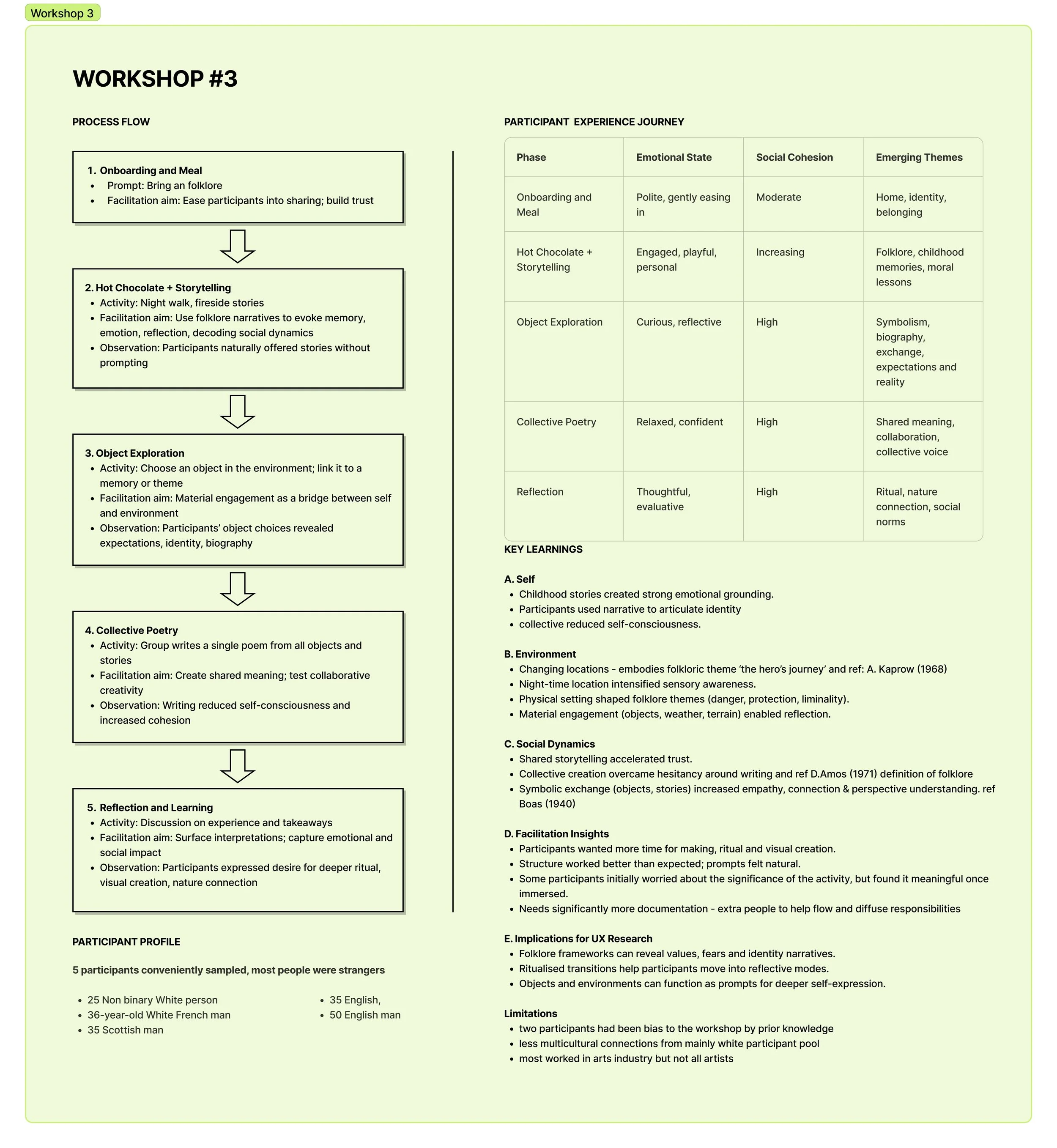
Figure 7 : Workshop 3 - The Hero’s Journey
I analysed the findings of the two experiences and tried to identify the elements I wanted to bring forward into the next iteration to better understand my own interests in the project (see Figure 6). Al also suggested scouting out locations and finding materials ahead of time to capitalise on the spontaneous and lively elements of the original dérive, while also providing a framework in which participants can explore the subject in a rich and intentional way, as with the second workshop.
I chose to vary the structure of the experience, transitioning from a home-cooked meal (using seasonal vegetables that referenced the conceptual art restaurant FOOD, run by Carol Goodden, Tina Girouard and Gordon Matta-Clark, 1971) to walking into nature, thereby maintaining the premise of hospitality and fostering a more spontaneous and dynamic connection to nature and counter-culture ideals. I examined three locations where I could conduct historical research within walking distance of the house. Point Hill Park is connected to Jack Cade caves, Greenwich Park, which has had ghost sightings of Queen Elizabeth, and Deptford Creek has tales of the Deptford Necker. In Allen Kaprow’s ‘How to Make a Happening’, he details that a happening should be set in “real places’ with “real places” in “real time”. The experience will naturally dictate some of the parameters of work. Trying to control these processes too strictly will kill the life and authenticity of the experience. This way of working, I know, is not standard practice in commercial UX workshops; however, it is better aligned with the aims of my research, and although these loose parameters would cause an issue within a more corporate setting, I have witnessed softer organisation still working with a fine art explorative audience, as seen in the experiences detailed in Figure 7.
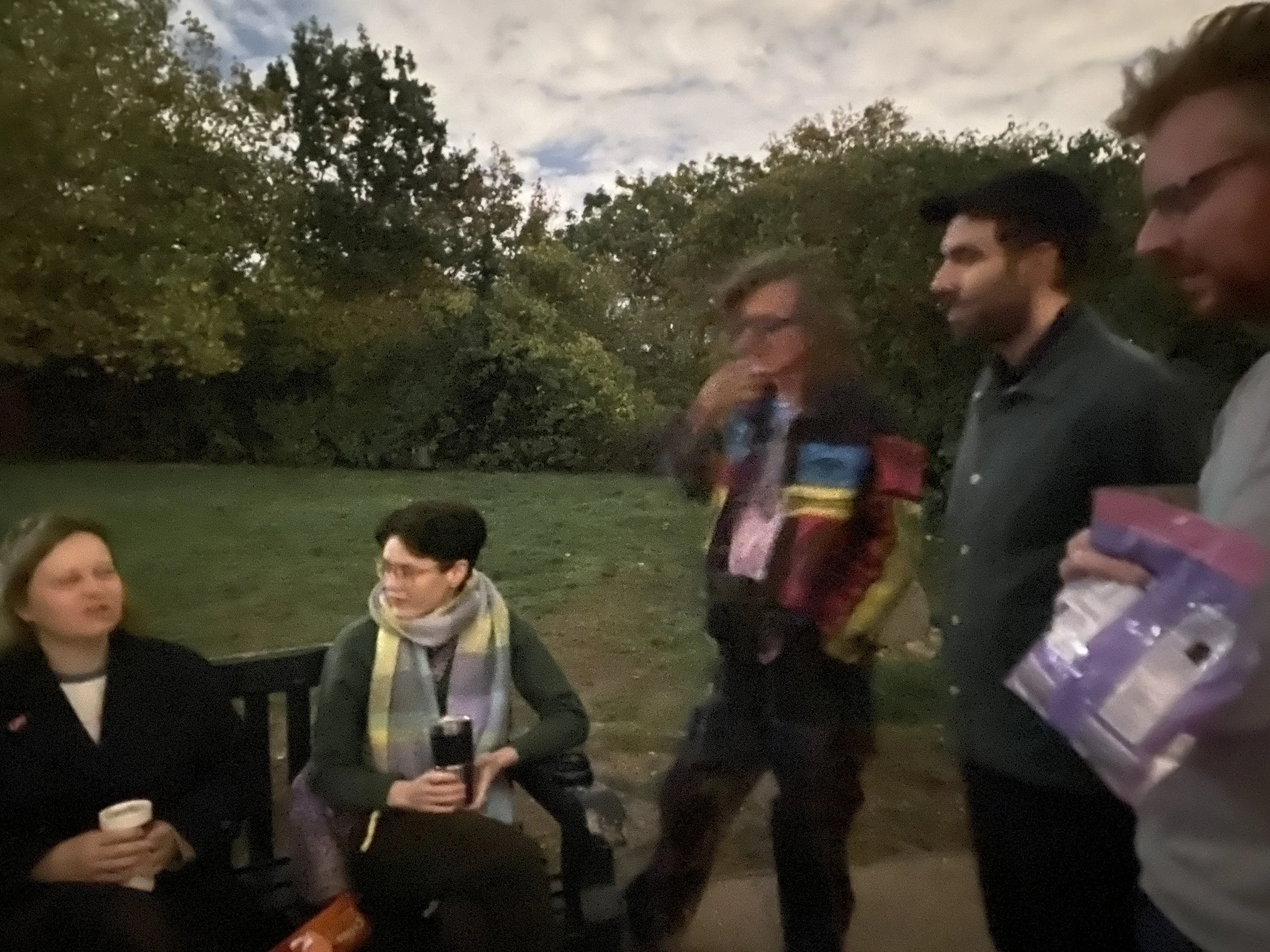
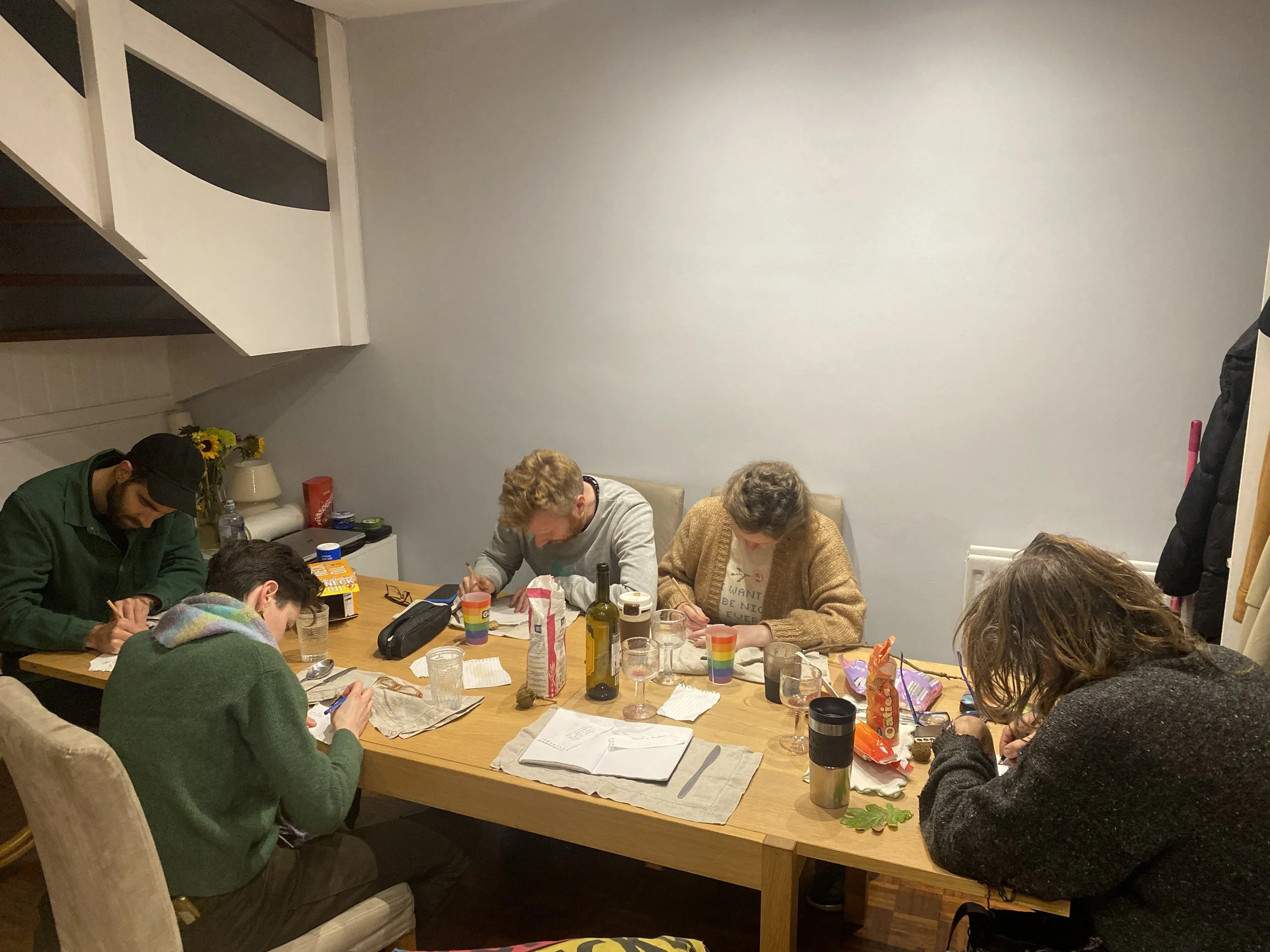
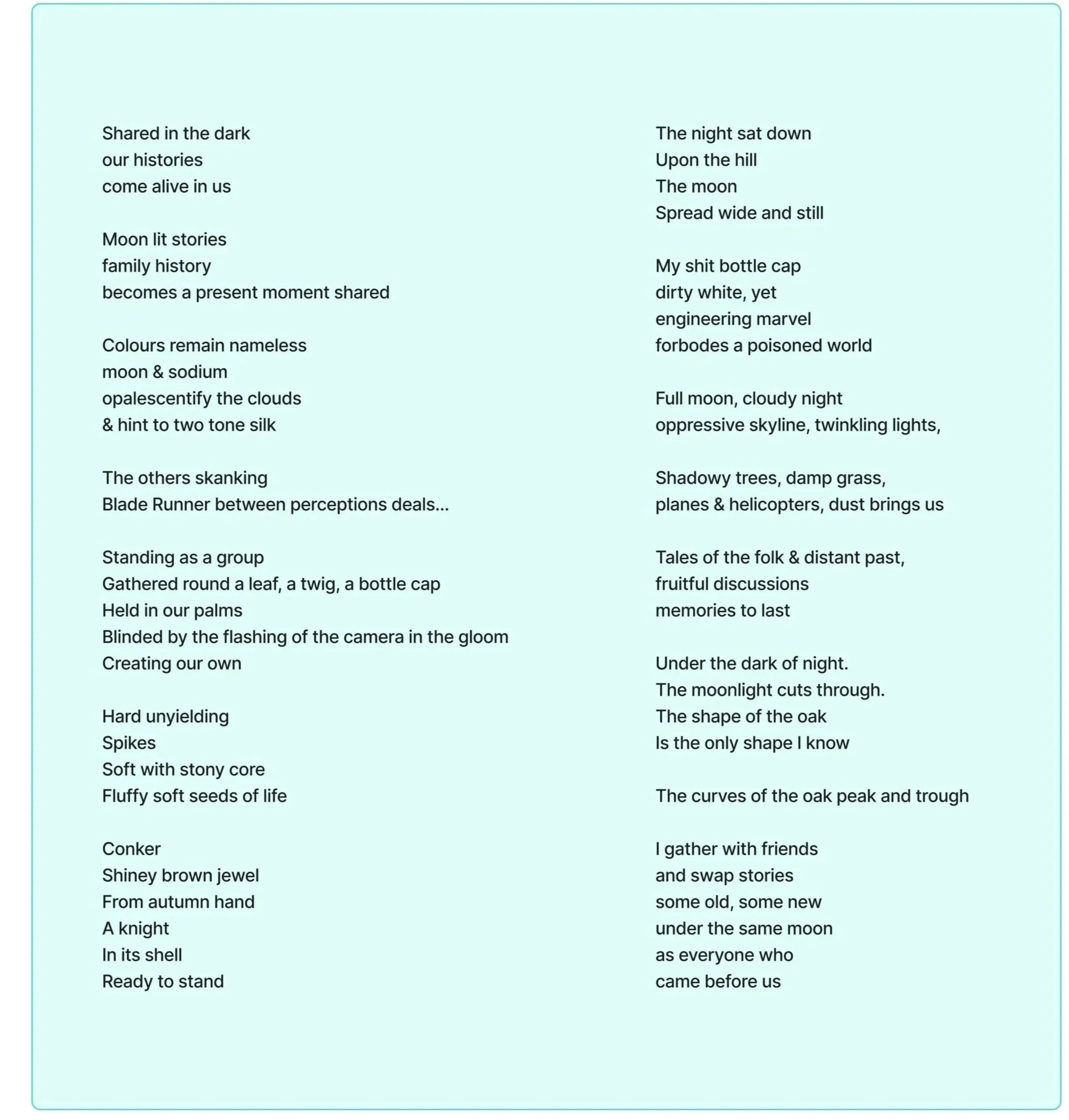
I felt that this workshop was the best in terms of aligning topics, timing, and social interaction. It interwove past and present in a constant analysis of personal, cultural, and ideological perspectives that felt natural, engaging, reflective and questioning with a group of people that were strangers to each other. The group was largely white, but even within that, there was a vast amount of cultural and outlook differences to explore. Going forward, I aim to build on increasing creative output, connection to nature, and exploring how to integrate the future timeline into the process to enhance the longevity of the research, rather than just using it as a reflective tool.
9
During the first workshop, I found the spontaneity to be an interesting process to work with; it made the outcome more compelling for me. Only in reflecting on the process did I gain a deeper understanding of the experience and discovered new insight rather than just proving a theory. I wanted to incorporate this avenue of chance and actively involve my participants in the co-creation of these workshops, as Augusto Boal proposes, “if the intention is to create a theatre which liberates, then it is vital to let those concerned put forward their own themes.” (1997). Therefore, although I outlined the general flow of the workshop, participants were asked for their opinions on direction at certain branch points, and timings were generally modified in response to participant behaviours and signals. (Friere, 1968) I felt that this process allowed for a disruption of the hierarchical dynamic between the facilitator and participant, as discussed by Freire, where he calls for ‘dialogics’, a dialogue combined with critical reflection, instead of the teacher oppressing the students’ agency and depositing knowledge. This also led to shifts in lines of enquiry as the participants followed their own impulses, and only in retrospective reflection could overarching themes be identified in terms of time, social identities, and emotional processing through ritual, among others.
One of the main criticisms of the project to date has been the lack of documentation. Furthermore, being a team of one had the biggest drawback in this regard, particularly in terms of facilitation. I found it very challenging to design, facilitate, and document simultaneously. As the project progressed, I gradually improved in this area, but I still feel that the project fell short in this respect. This experimental process and lack of clear documentation were met with a great deal of confusion from tutors who were not familiar with the less commercial fine arts sector, as the intentions for enquiry, plan, and outcome were all hard to define going in, and the outcome for participants fell outside of what a service industry definition of a workshop considered legitimate. It was after this workshop that the question of whether this was a workshop and what constitutes an experience was raised for me, prompting me to reconsider the placement of the research and how to present it effectively.
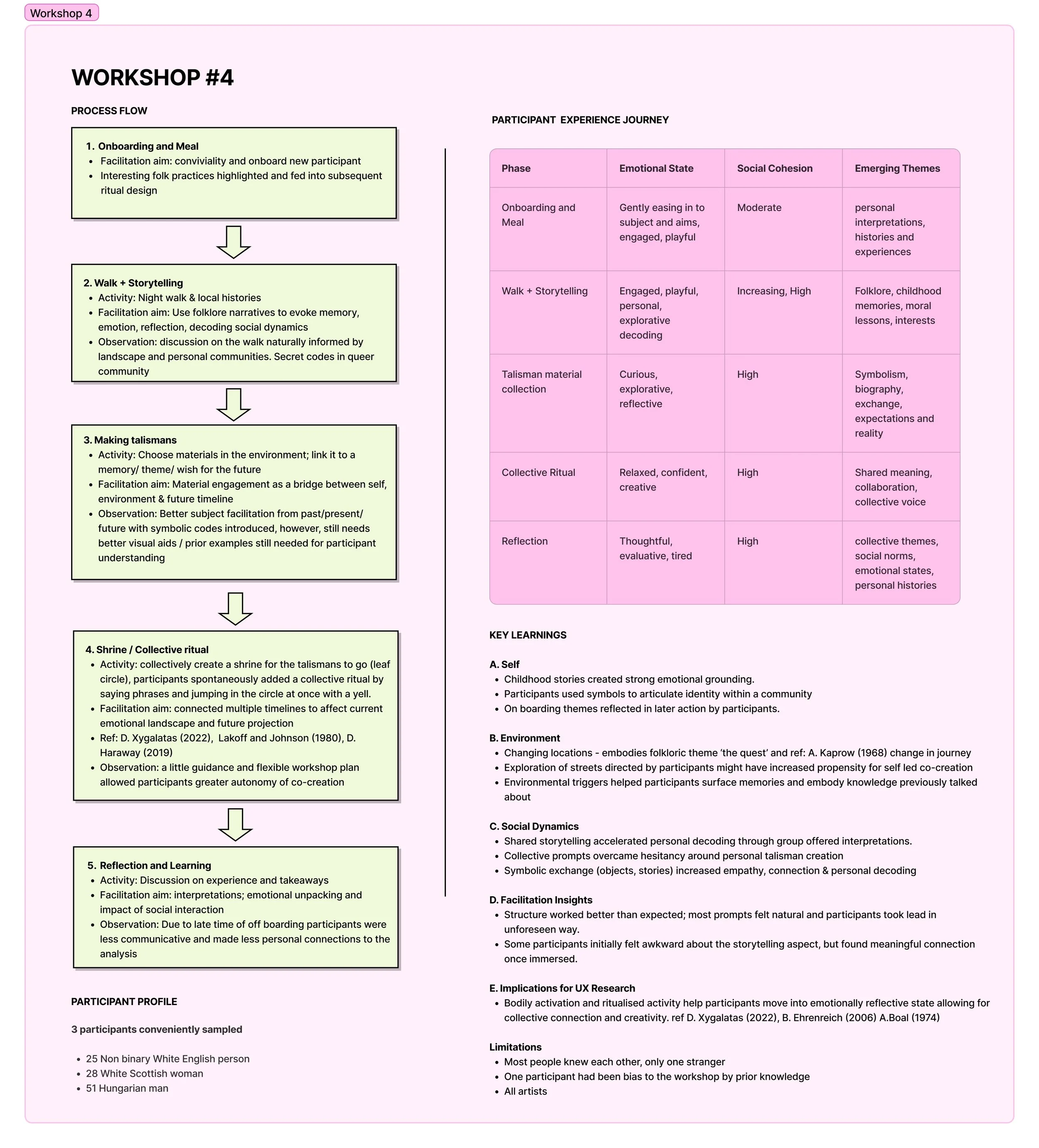
Figure 8 : Workshop 4 - Ritual
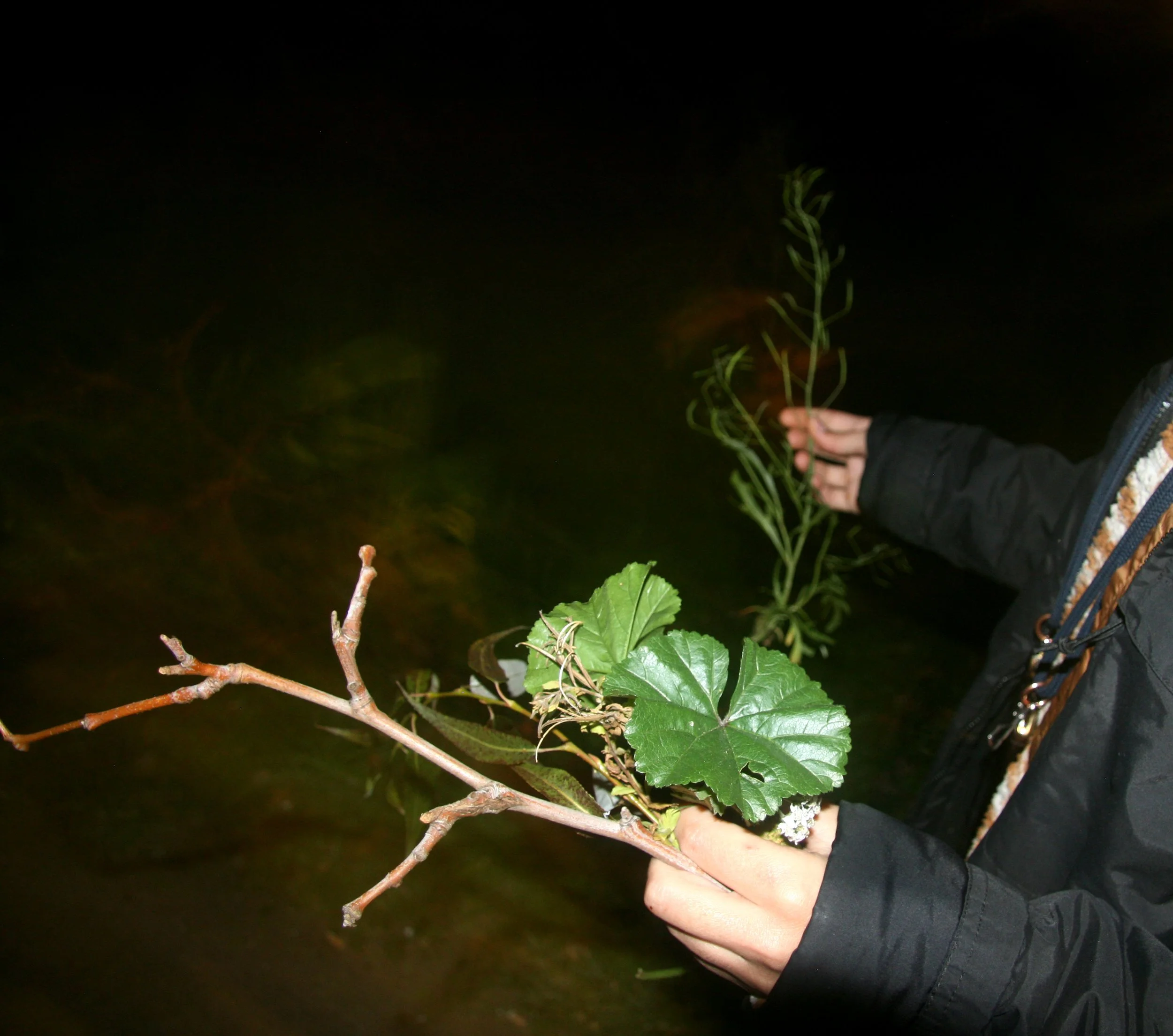
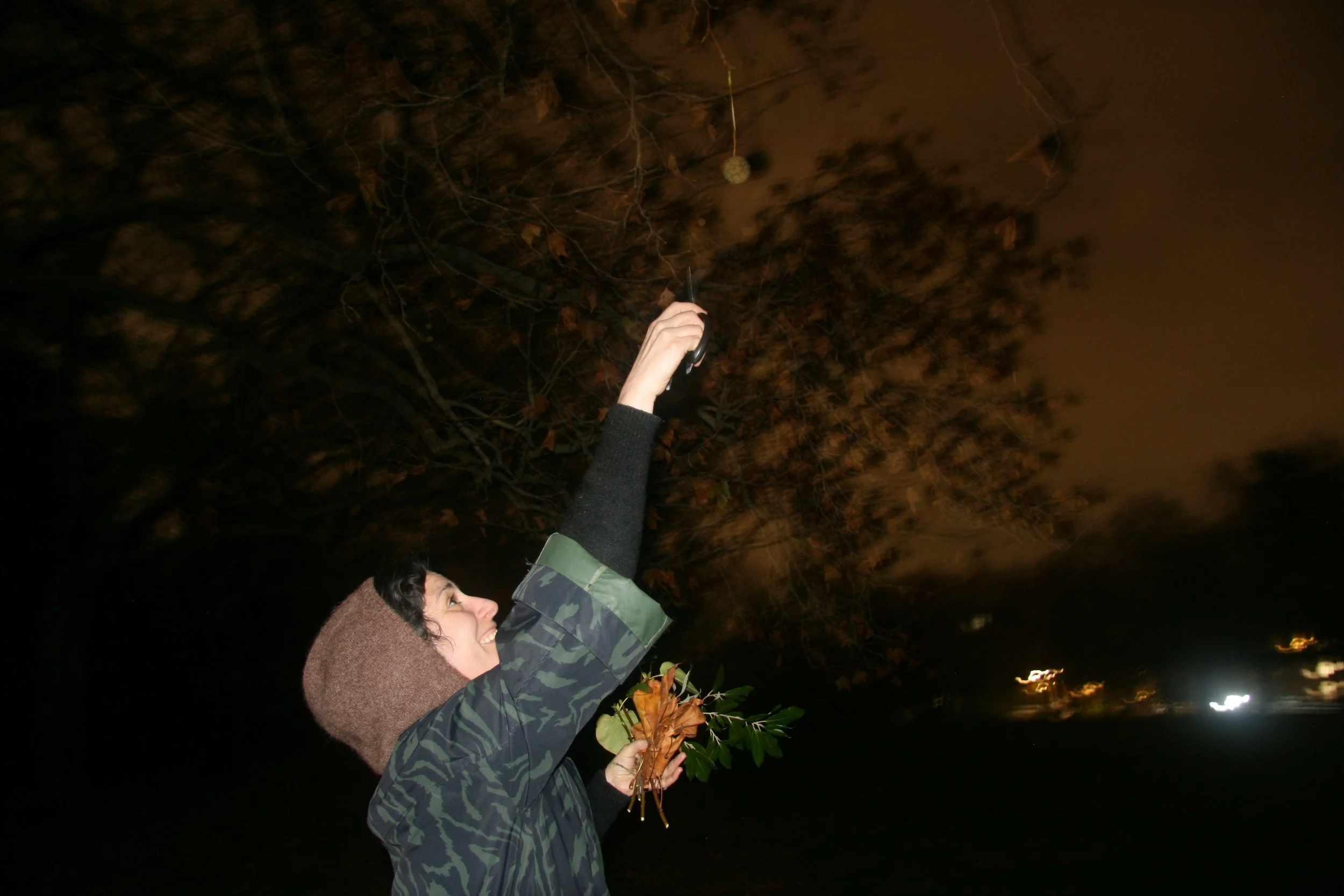
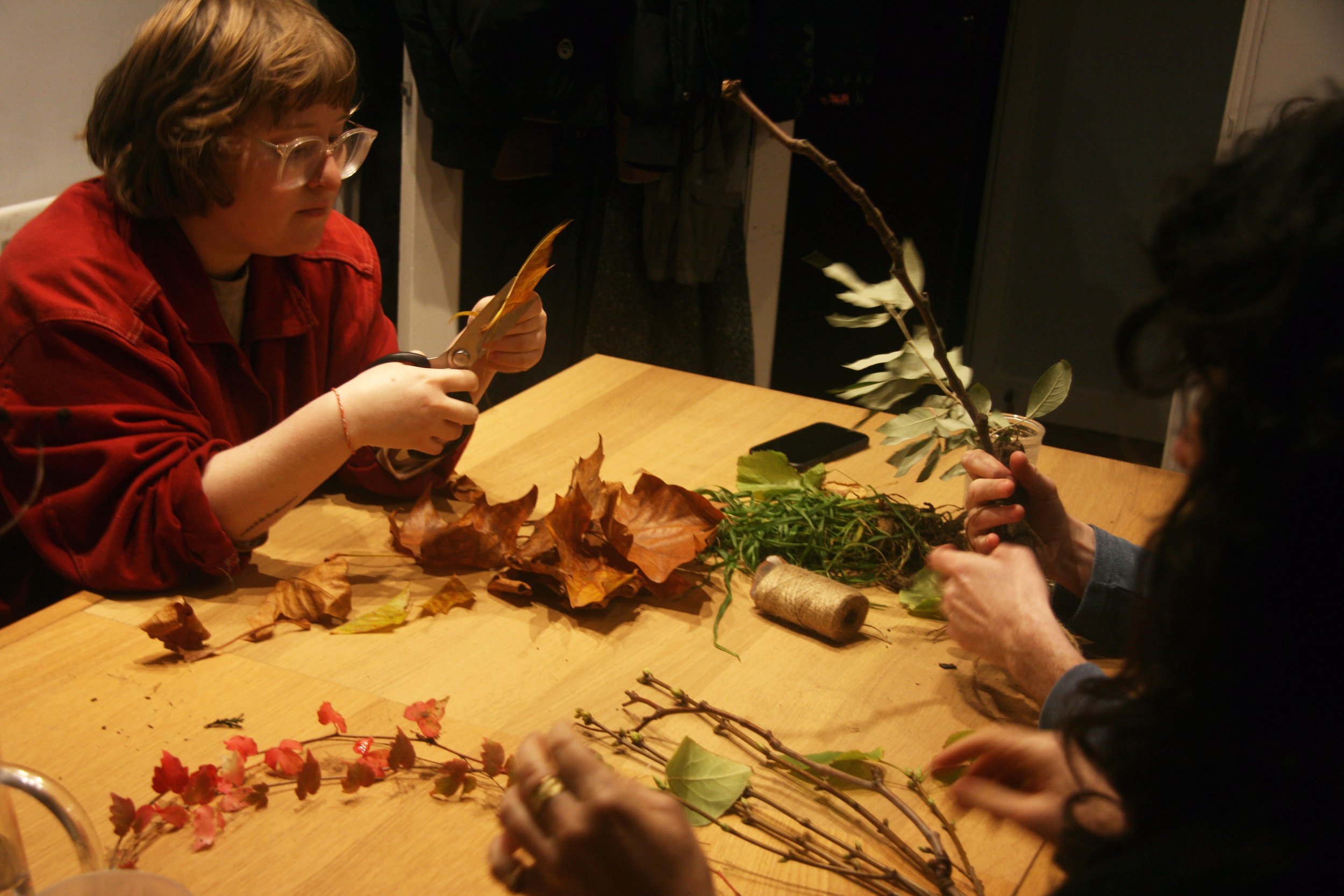
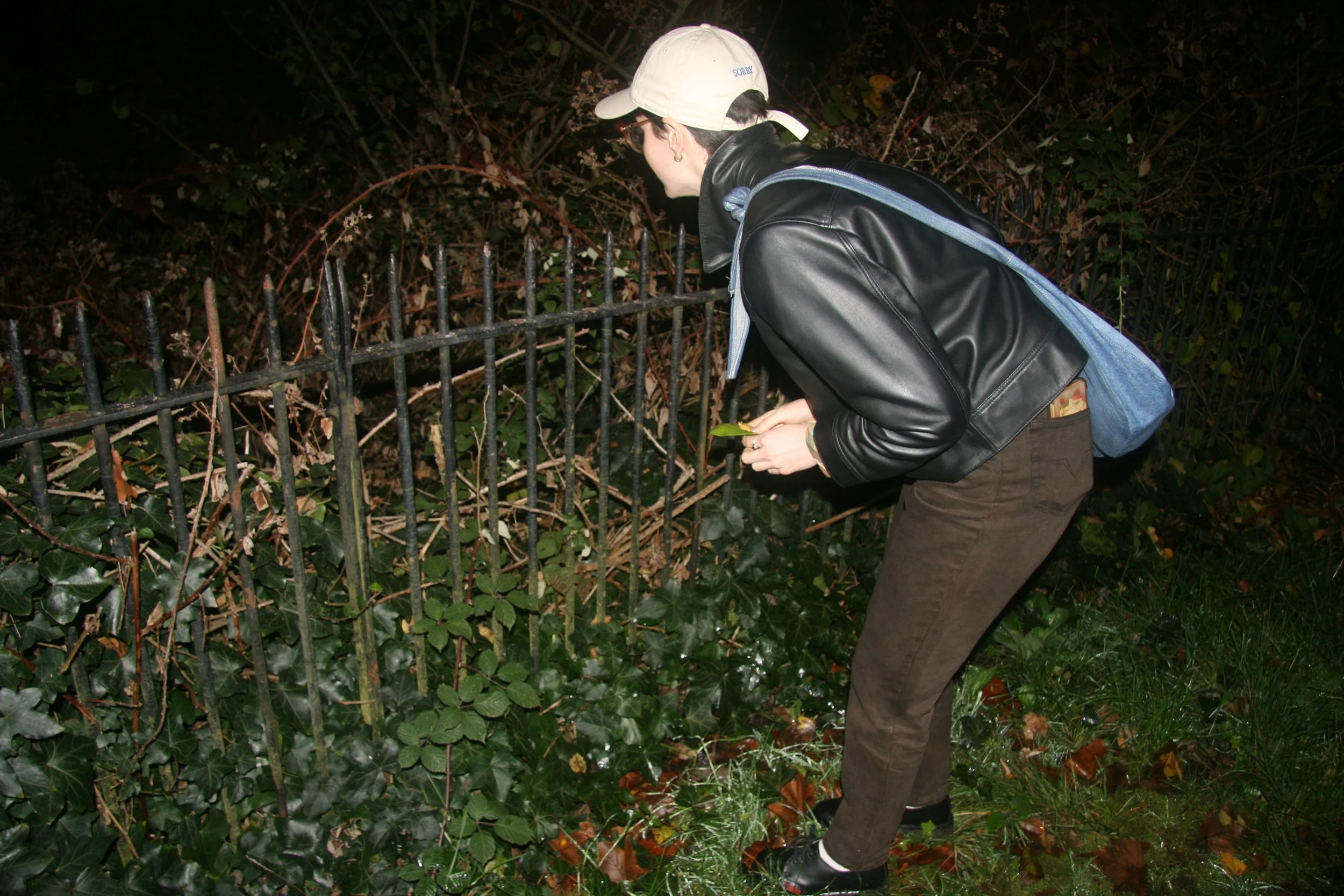
After analysing the workshop findings, I developed my ideas on incorporating the future timeline into my process. I did this by researching CBT techniques. Booth, R. W., Erhan, K., Erkocaoğlan, O., Kuşpınar, H., & Yaldırak, K. (2025) found that ‘BPS’ writing can have direct effects on mood, so I worked out my new iteration with the object task involving taking a present problem, i.e., an emotional need for creativity, self-belief, etc., and asking participants to gather materials from the environment that symbolically represent these things to create a talisman for the future. I ran a workshop with three participants and used a handheld camera to document the process more thoroughly. During the onboarding meal conversation explored the themes of ritual and projecting into the future. One of the participants arrived late, so he was not onboarded properly, which disrupted his perception of folklore within the project context. One participant had attended the previous workshop, introducing a certain amount of bias, which I attempted to counteract by using participant-chosen locations and formatting the object task. The walk activated our sensory connection to the environment and embodied the folkloric quest; participants offered local histories without my prompting, and conversation naturally turned to symbolic codes for marginalised communities.
10
Decoding was iterative, with participants adding reflection as they analysed their own interpretations and in response to others. I attempted to do a grounding exercise at this stage, originally designed to increase connection to nature. I had intended to start the workshop with it; however, because the participants had already started telling stories while walking, I didn’t want to disrupt the flow. However, trying to incorporate it afterwards felt forced and halted the energy. The explanation of the talisman task, although fairly effective, could have been done with visual representations of previous examples. Participants deviated from my suggested path and only gathered one item each, although they still functioned in the intended purpose. I suggested collectively making a shrine for the talismans to go, and the participants, in response, also chose to create a ritual around the placement by jumping in at the same time. I was pleased that participants had taken the initiative on their own and that it reflected the conversations we had during onboarding about rituals earlier. As it was quite late at this point, the offboarding wasn’t as reflective or energetic, but participants provided some valuable insights into the emotional processing of the experience and how the collective themes that had emerged had influenced them.
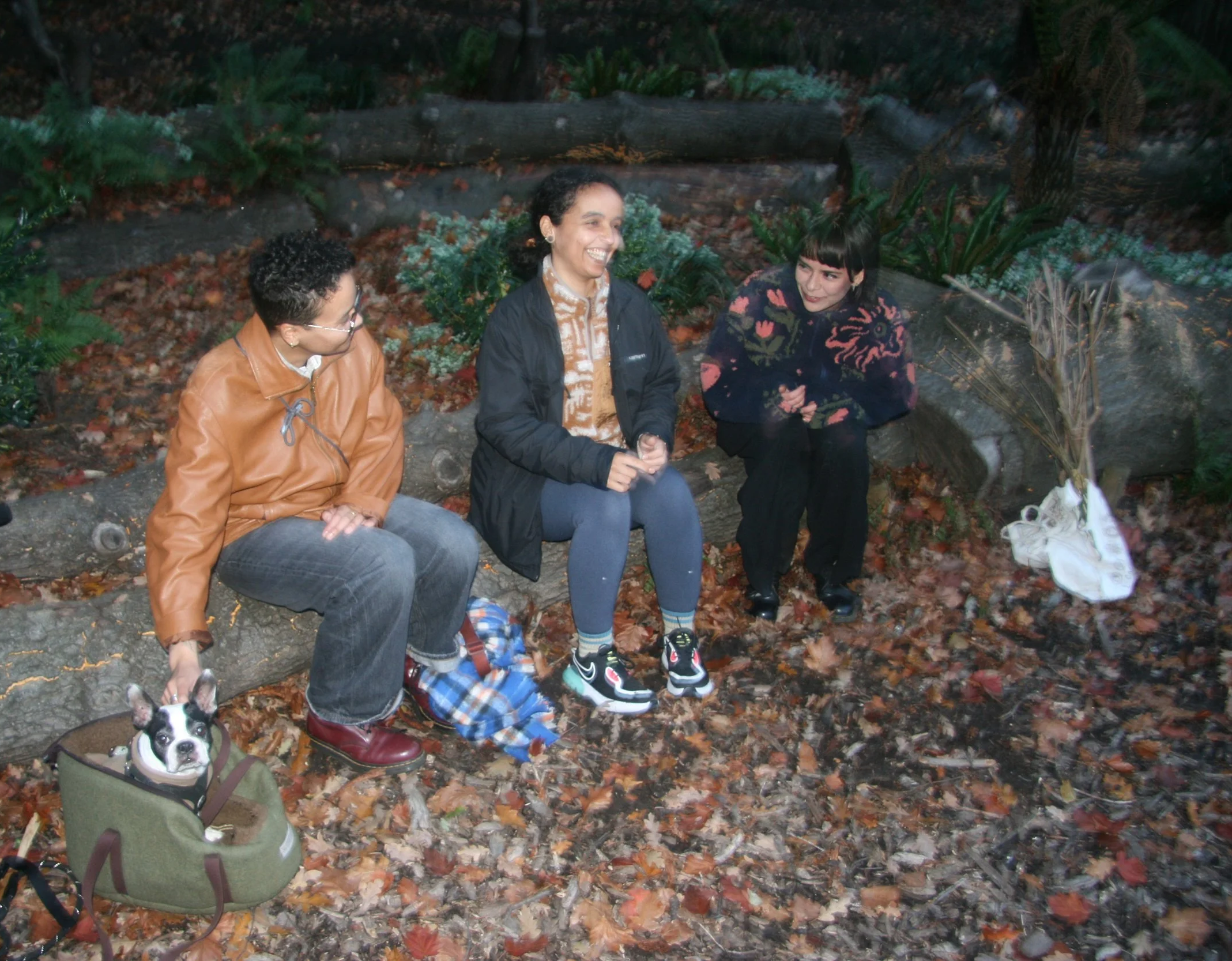
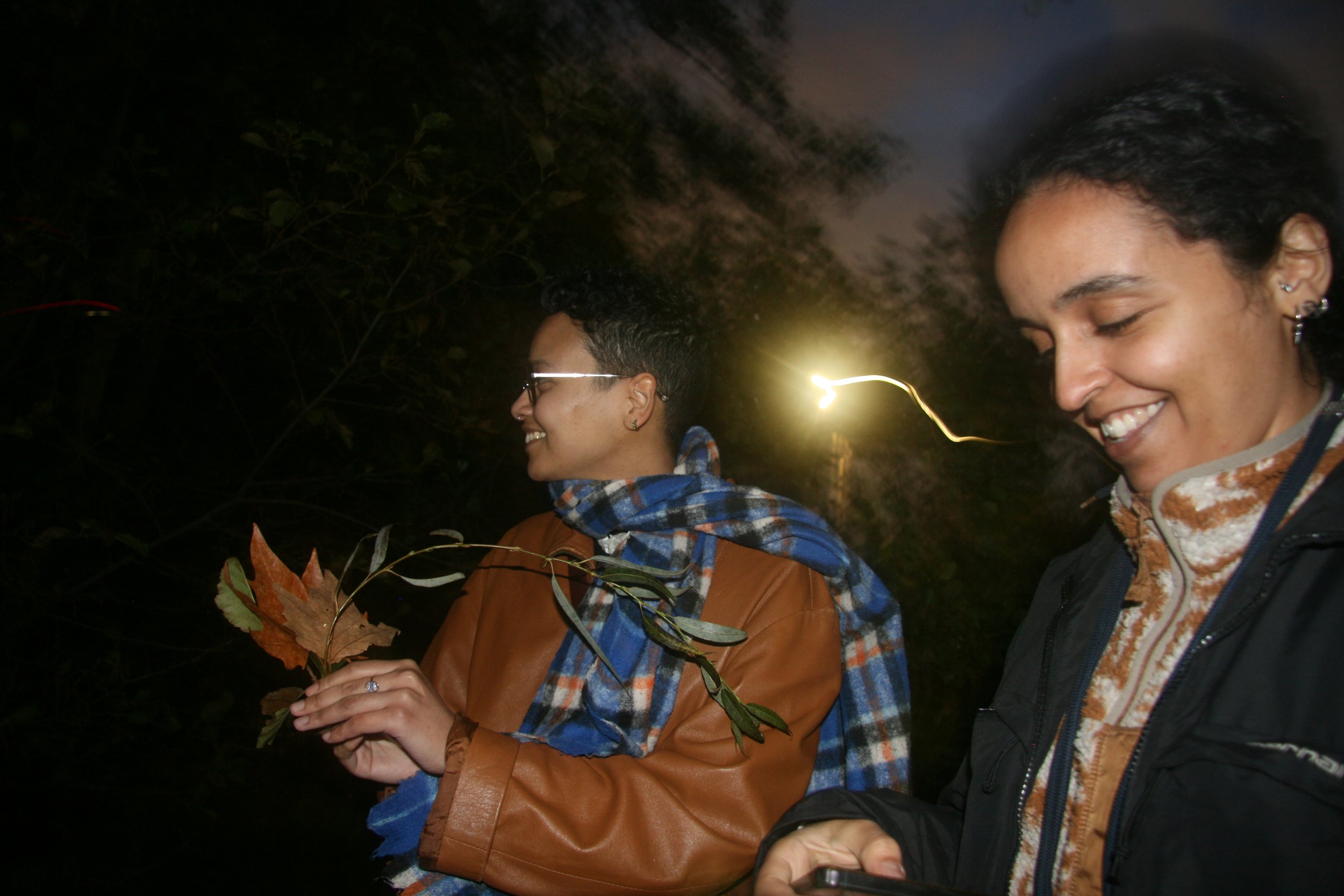
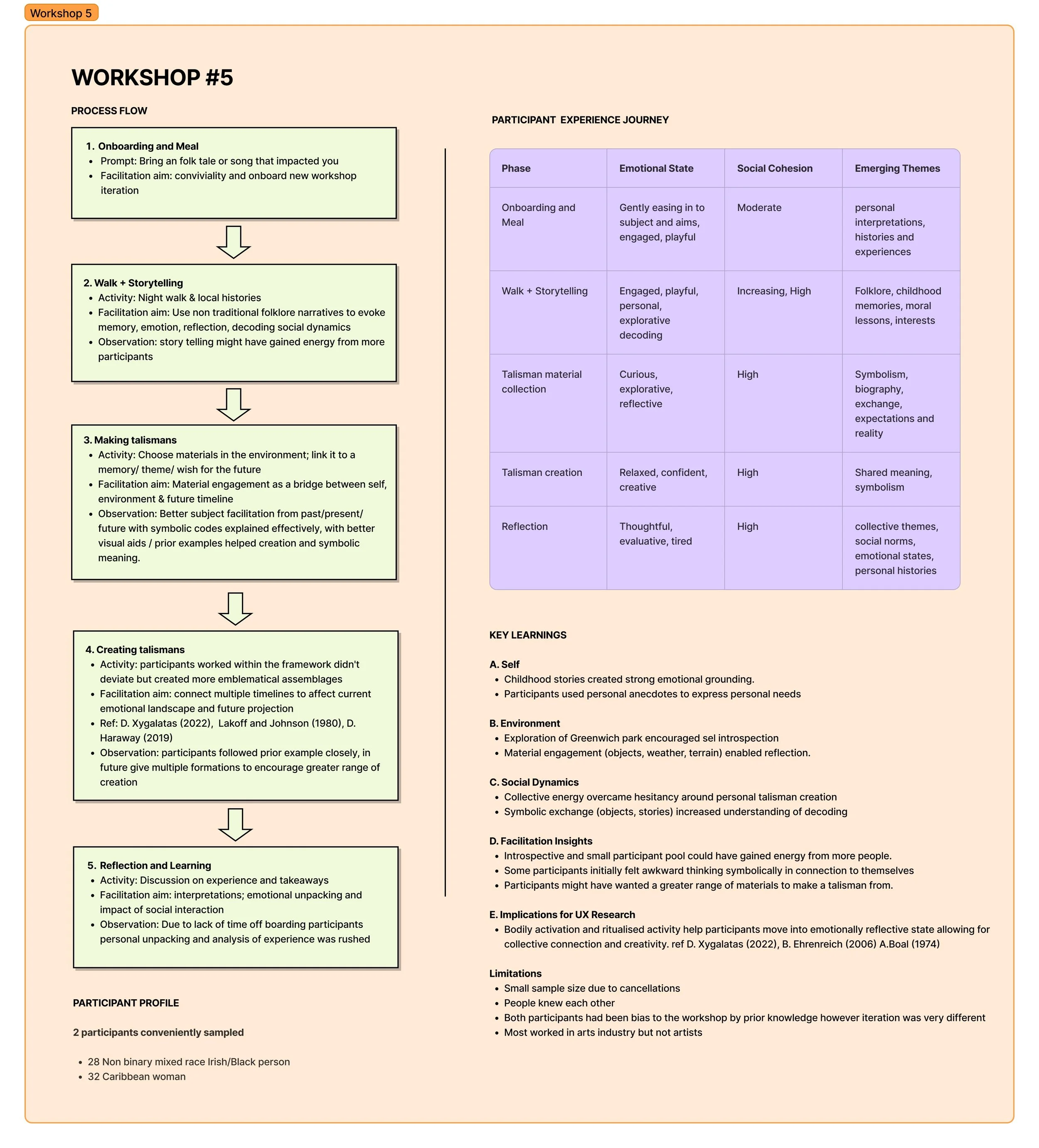
Figure 9 : Workshop 5 - Make a talisman
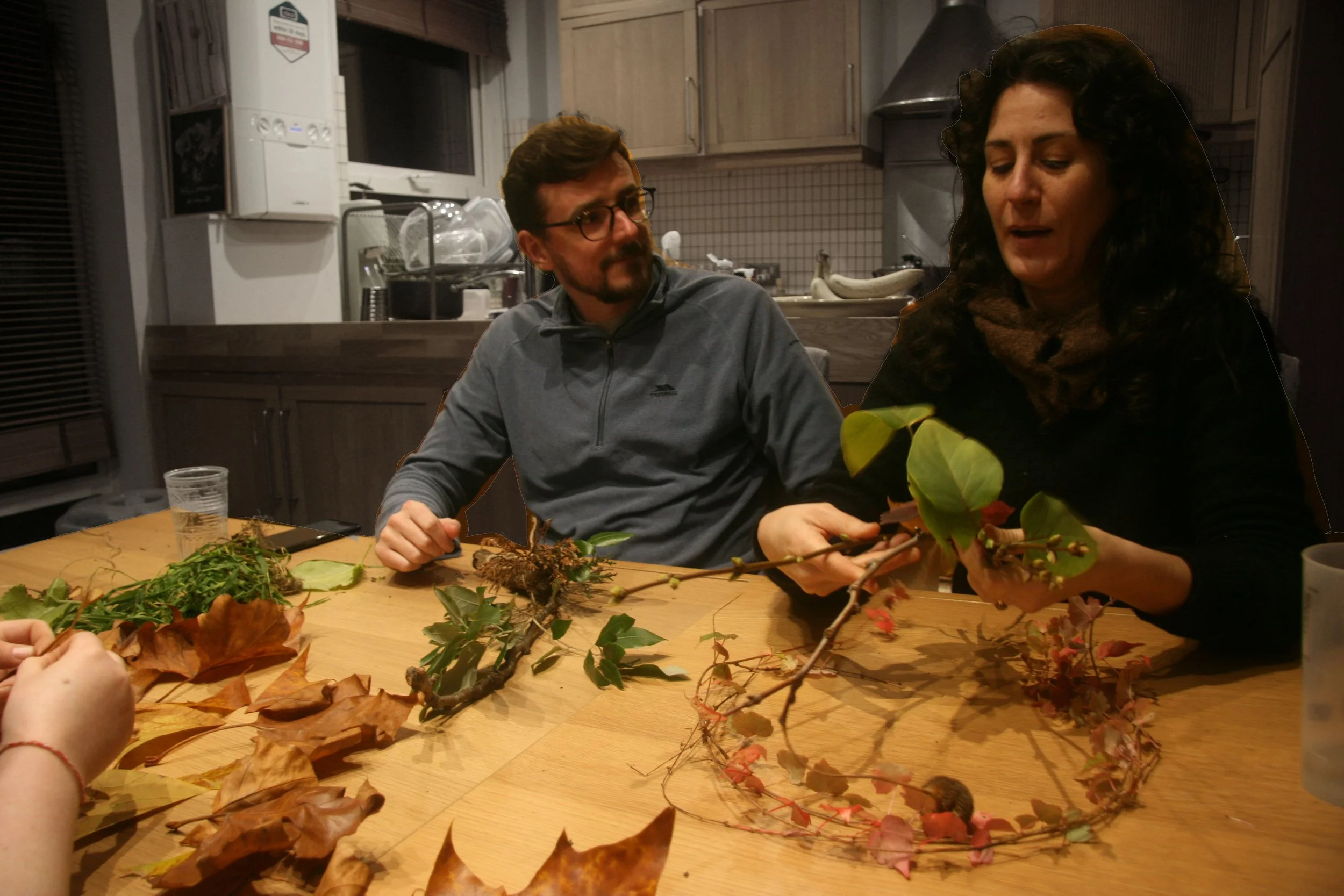
I ran the workshop again in the hopes of attracting more participants to see if the experience was repeatable, but due to participant cancellations, I ended up with only two. They had both attended the second workshop, so they had a good understanding of the subject. However, the process had undergone significant changes by this point, and I hoped it wouldn’t bias them too much in the process. I employed a friend to help me document and facilitate, and although it helped to gain documentation, I feel that it significantly hindered the workshop. Participants were unsettled by the photography and disrupted the flow of conversation at many points. The workshop didn’t have as much life as the previous one, perhaps due to the documentation or perhaps because the participants didn’t have as much personal experience/interest in folklore, or maybe it was due to the group size. Whilst onboarding, I used the talisman I had made in the previous workshop, as well as the others, to help explain the talisman-making process, which worked well. Visiting a new location helped evoke memories of campfires, and participants soon began sharing emotionally charged stories that created a positive, bonded atmosphere. When gathering materials, participants were playful, inquisitive, self-led, and helped each other create symbolic codes. We spent a lot more time assembling the talismans together back at home, to the point where we ran out of time, and they had to leave with minimal offboarding procedures in place. The talismans created were very similar to my own and didn’t have many creative differences. In the future, I would present multiple versions that offer various creative options as well as materials for participants to work with.
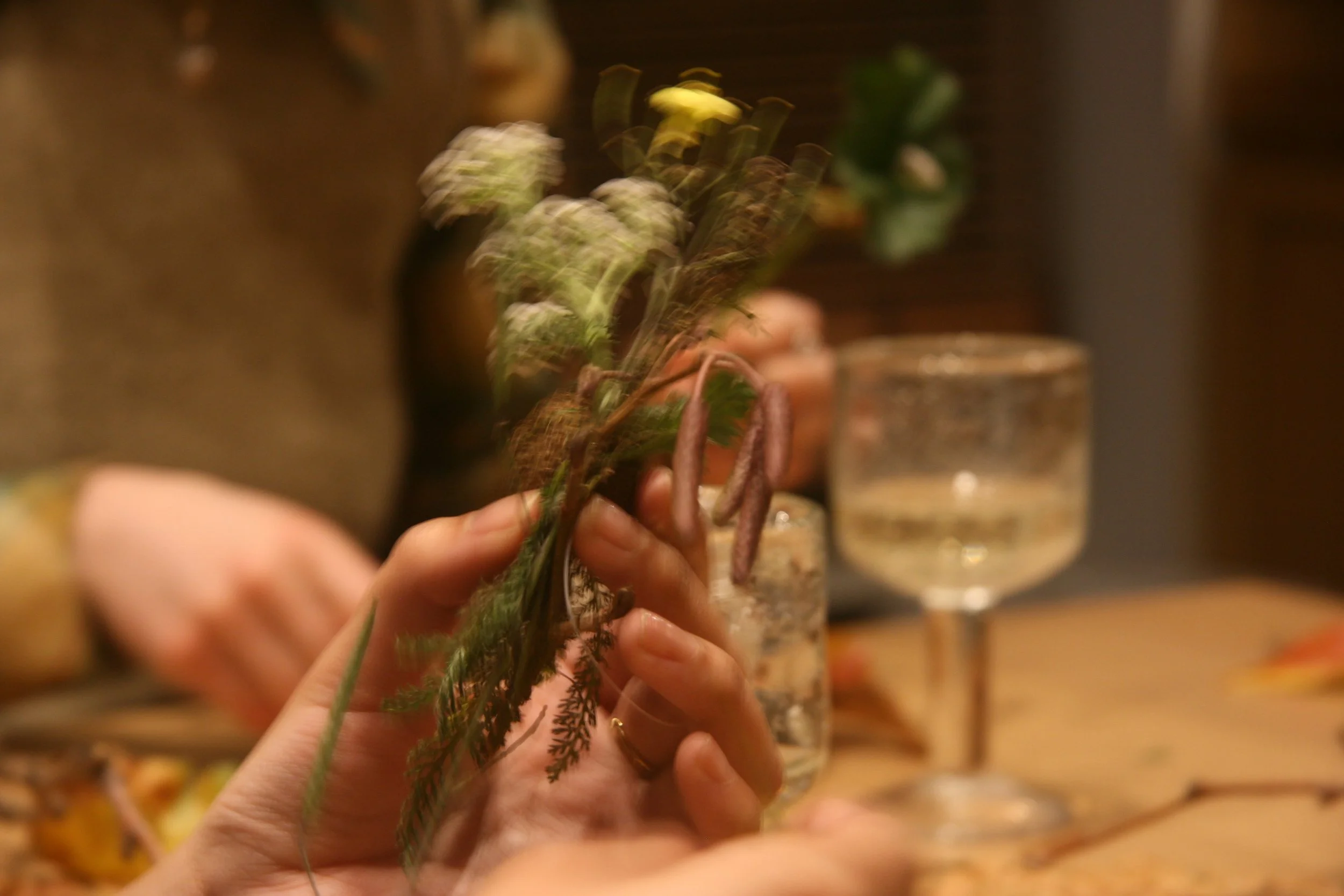
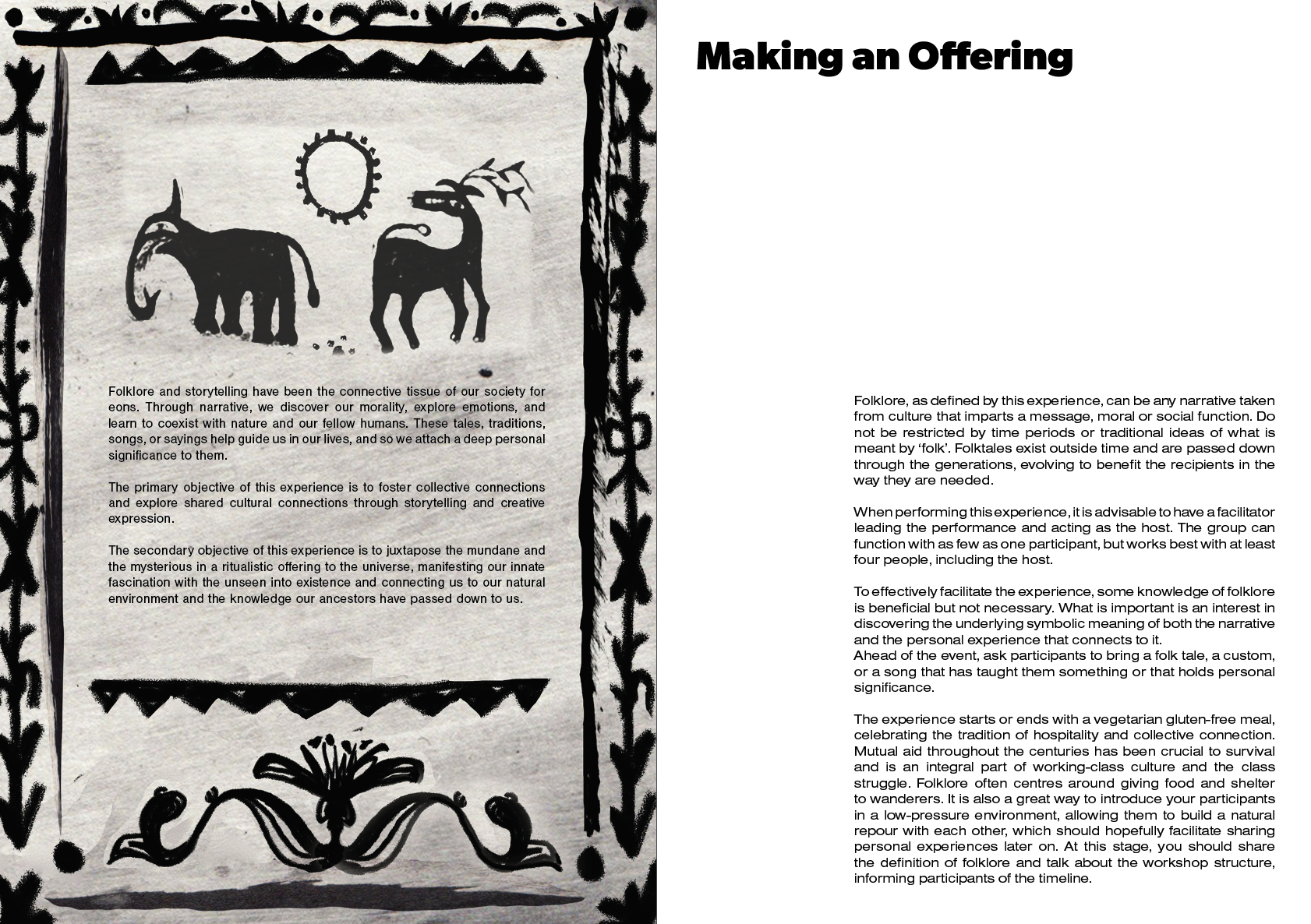
Workshop guide
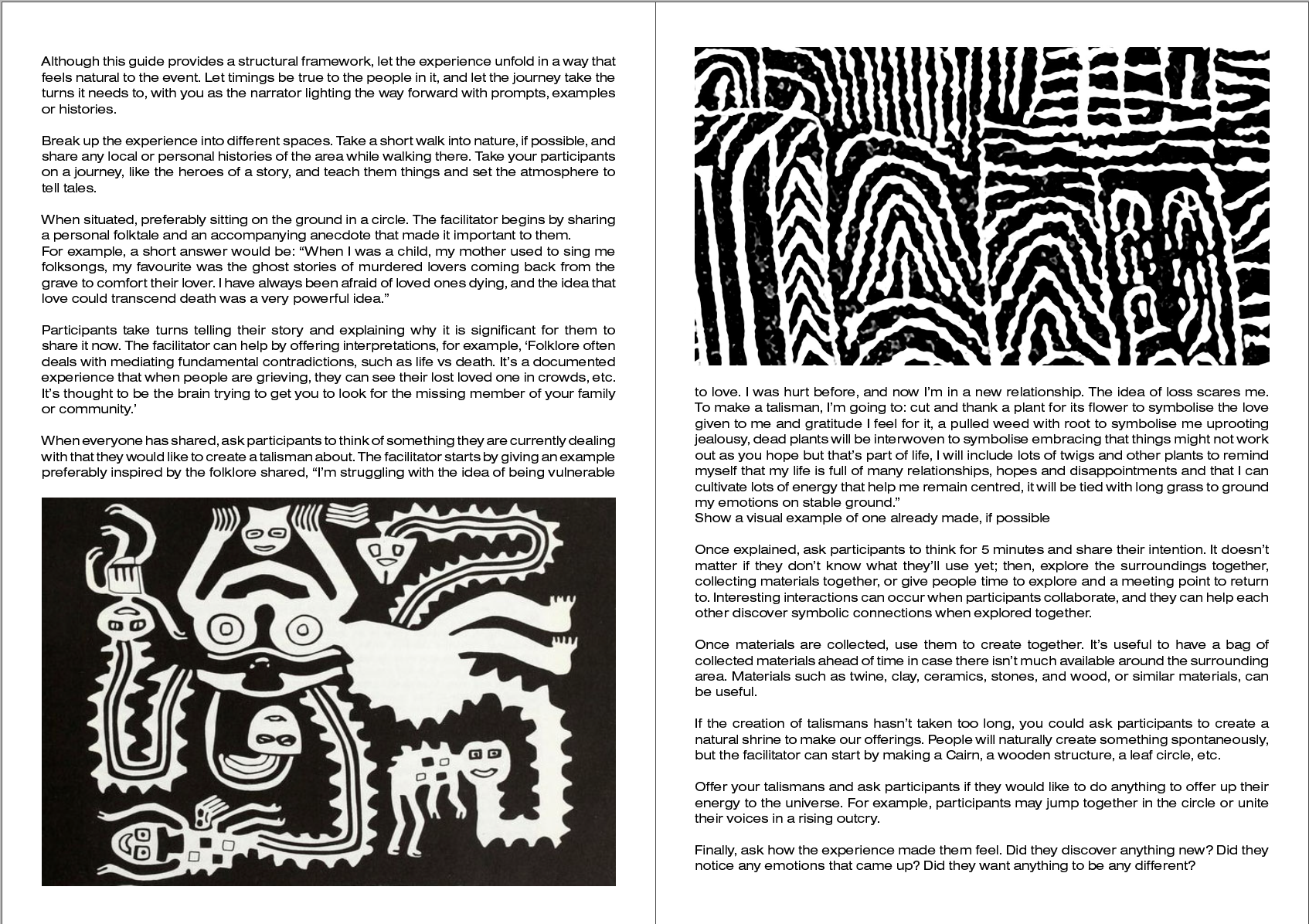
At this time, all the participants who hadn’t made it earlier showed up, so I tried to pass the workshop on to them to see if they could run their own version of the workshop themselves. My instructions contained too much information and were difficult for participants to follow. I felt that the criticality of the process suffered significantly from not having a leader to prompt conversation and offer a framework for decoding and analysis, especially when it came to people who weren’t artists and felt uncomfortable doing so themselves. Despite this, participants still engaged, offering cross-cultural insights and said they saw the potential and direction of the process. If I were to run it again, I would appoint a lead facilitator and offer them, as well as the other participants, a simplified guide to introduce them to the process, including its history and a method for decoding.
11
If I were to continue with the project, I would consider incorporating more ritualistic elements into the meal to better link to the subsequent stages. I would try serving outside if possible. Make the seating arrangements, food or way of eating have more symbolic meaning. Referencing Sophie Calle (1998), Méret Oppenheim (1959), And R. Tiravanija (1990). I would perhaps take the experience to places such as the Outhouse Gallery or Deptford Lounge to try it in a more formal setting with a broader participant pool, to see if the same connections can be made in a non-conveniently sampled pool.
When presenting the installation, I would have preferred a longer time to gather stories and talismans in their current form, as well as a larger space to present, as this limited the visual impact. Creating a spatial sound design would have greatly benefited the installation, as well as employing more researched and experienced preservation methods for the artefacts, since all the plant matter decayed fairly quickly. Originally, I was hoping to create a more nuanced interaction between artefact and story that would allow the viewer to select the story they want to hear.
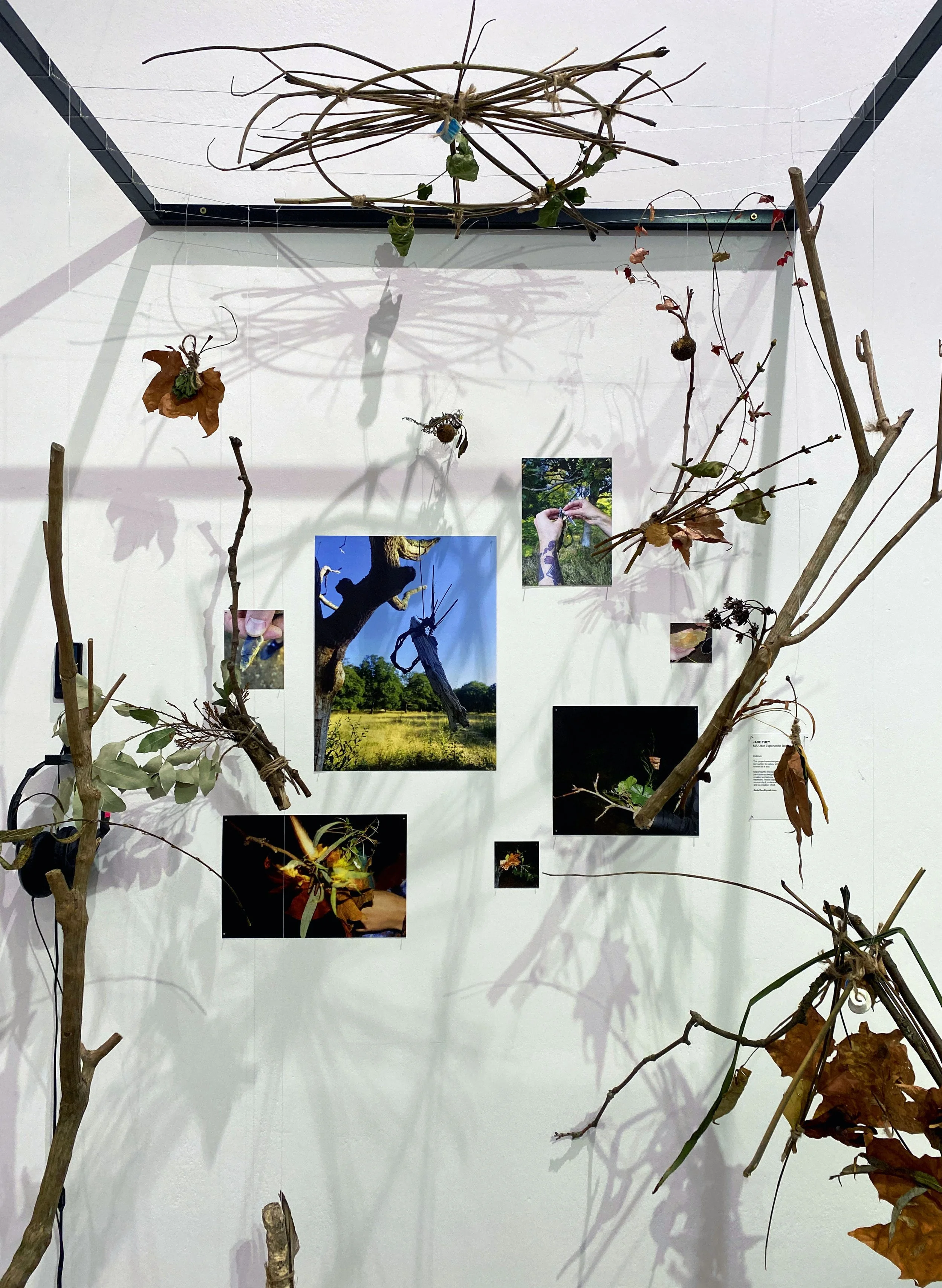
In conclusion, only in retrospect have I come to understand that this project lies at the intersection of user experience design, relational aesthetics, and landscape art, a space that many people have not much experience with and therefore has been difficult to clearly define. Creating this set of experiences has taught me that providing a space for both cultural reflection and emotional processing can be life-affirming and profoundly meaningful. Storytelling can introduce intense emotional perspectives in a nuanced and non-confrontational manner, leading to group discussions that can navigate more complex issues than directly taking a stance on an issue. Collective creation can help bond and synchronise a community, both physically and psychologically, and improve the confidence of the individual. However, facilitating a co-created exploratory experience can be challenging, as you don’t always know what you will get and can end up traversing many paths of research that you may not have time to fully unpack. The process can be as dependent on the energy, motivation and problem-solving ability of your participants as it is on your own planning and intuitive responses to the collective atmosphere. Careful documentation of these kinds of experiences is important, but it is very challenging to do so without being intrusive to the participants' experience. However, having extra pairs of hands is essential.
For a full file of videos, photos & PDFs, download from the link HERE.
Bibliography
Bascom, W.(1954) ‘Four Functions of Folklore’ The Journal of American Folklore, Vol. 67 https://doi.org/10.2307/536411
Dilshatovich Bekmatov, B. (2024) ‘THE ROLE OF FOLKLORE IN A MULTICULTURAL WORLD’ Web of Teachers: Inderscience Research Link here
Ben-Amos, D. (1971) ‘Toward a Definition of Folklore in Context’ The Journal of American Folklore, Vol. 84, https://doi.org/10.2307/539729•https://www.jstor.org/stable/539729
Boal, A. (1997) ‘Games for Actors and Non-Actors’ Routledge
Boas, F. (1940) ‘Race, Language, and Culture’ The Macmillan Company, New York
Bourriaud, N. (1998) ‘Relational Aesthetics’ Presses du réel
Booth, R. W., Erhan, K., Erkocaoğlan, O., Kuşpınar, H., & Yaldırak, K. (2025). ‘The best possible self task has direct effects on expectancies and mood, and an indirect effect on anxiety symptom severity.’ https://doi.org/10.1037/emo0001481
Bukenya, T. K. (2025) ‘The Role of Folklore in Modern Culture’, Faculty of Business and Management, Kampala International University, Uganda. Link here
Conti, L., 2025. ‘Understanding culture, cultural identity and cultural heritage in the post-digital age. Belonging in culturally diverse societies - Official structures and personal customs.’ London: IntechOpen.
Curtis, A. (2016) ‘HyperNormalisation’ BBC Link Here
Debord, G., 1967. The Society of the Spectacle, s.l.: Black & Red.
Deleuze & Guattari. (1980) ‘A Thousand Plateaus’ Bloomsbury Academic
Freire, P. (1968) ‘Pedagogy of the Oppressed’ Herder and Herder
Haraway, D. (2019) ‘Tentacular Thinking Anthropocene, Capitalocene, Chthulucene’ Duke University Press
Kaprow, A. (1966) ‘How to Make a Happening’ Mass Art Inc. Link here
Lévi-Strauss, C. (1955) ‘The structural study of myth’ The Journal of American Folklore, Vol. 68 https://doi.org/10.2307/536768
Lorde, A. (1979) ‘The master's tools will never dismantle the master's house.’ Sister Outsider: Essays and Speeches.
Mcloud, S. (2025) ‘How imagining your best possible future self boosts optimism, mood, and reduces anxiety: RCT’ Link here
Odell, J. (2019) ‘How to Do Nothing: Resisting the Attention Economy’, Melville House
Wesseling, & Cramer (2022) ‘Making Matters - A Vocabulary for Collective Arts’, Valiz